
Cheapest SR-22 Insurance for Uber Drivers — Ohio
Free to compare
The SR-22 Rideshare Coverage Trap
You received an OVI conviction, completed your Driver Intervention Program, and now hold Limited Driving Privileges that permit work-related driving. You drive for Uber to cover your reinstatement fees and DIP costs. The BMV requires SR-22 insurance on file for three years. Uber requires commercial rideshare coverage. Your SR-22 carrier sent an exclusion rider the moment you disclosed rideshare activity. Your rideshare carrier rejected your application when they learned about the OVI and active SR-22 filing requirement.
Neither policy will cover the same vehicle doing both jobs. Standard SR-22 carriers — Progressive, GEICO, The General — write personal auto policies and categorically exclude commercial use including Transportation Network Company driving. Uber's third-party liability coverage through James River Insurance applies only while you are actively transporting a passenger or en route to pickup, and it does nothing for your SR-22 filing obligation or your personal driving outside the app. The structural problem: Ohio requires continuous SR-22 coverage on your vehicle, but the vehicle spends half its time doing work that voids a personal SR-22 policy.
“Your SR-22 policy excludes rideshare the moment you turn on the app — every ride drives uninsured under personal coverage.”

Get Back on Ohio Roads With the Right SR-22
Get My Ohio SR-22 Auto Insurance Quote$4,000–$6,500/year
Ohio SR-22 Cost Post-OVI
First-year SR-22 premiums after OVI conviction in Ohio typically range $4,000–$6,500 annually for liability-only coverage, dropping 20–30% in year two if no additional violations occur. Non-standard carriers like The General and Dairyland quote the lower end of this range; preferred carriers writing high-risk policies quote the upper end.
Estimates based on available industry data; individual rates vary.
What Your Limited Driving Privileges Actually Cover
Ohio courts grant Limited Driving Privileges under ORC 4510.022, and the granting court defines permitted purposes. Most LDP orders enumerate work, school, medical appointments, and court-ordered treatment. Employment driving is permitted, but the court order does not distinguish between W-2 employment and 1099 contractor rideshare work. If your LDP order says "employment purposes," rideshare driving falls within that grant as long as you report accurate income and file accurate tax documentation proving you are actively earning through the platform.
The confusion arises because Uber is not an employer under Ohio law — you are an independent contractor. Some drivers assume LDP only covers traditional employment and avoid rideshare out of fear of violating the court order. This is overcautious. The court cares that you are working, not the IRS classification of the work. Driving while the Uber app is active to earn income is employment driving. Personal errands between rides are not. Keep trip logs showing pickup and dropoff times, and maintain a separate personal vehicle for non-work trips if possible.
The ignition interlock requirement under your LDP complicates rideshare further. ORC 4510.022 mandates IID installation for OVI-related LDP, and the device must be installed on any vehicle you operate. Uber passengers will see the device. Some drivers report passenger complaints or low ratings after explaining the IID, but Uber's community guidelines do not prohibit IID-equipped vehicles and the company cannot legally discriminate against drivers complying with court-ordered conditions. Document any deactivation threats citing the IID and consult an attorney — Ohio disability and public accommodation law may apply.
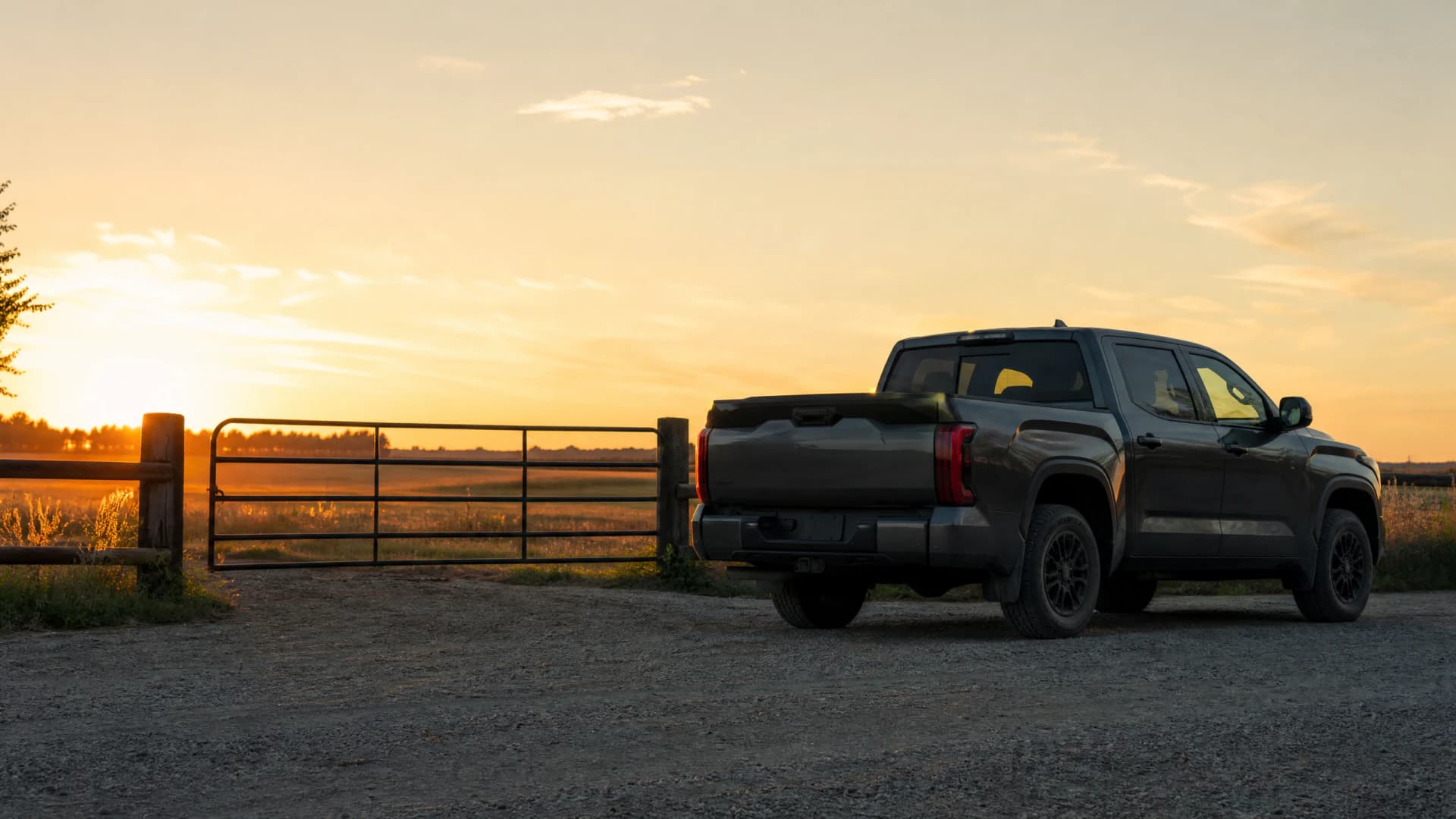
Your SR-22 policy excludes rideshare the moment you turn on the Uber app. Every ride you accept drives uninsured under your personal policy, even though the BMV filing stays active.



Why You Cannot Combine Them Into One Policy
SR-22 is not a type of insurance — it is a liability certification filing that proves to the BMV you carry at least state-minimum coverage. The filing attaches to a specific policy. When that policy cancels or lapses, the carrier notifies the BMV electronically within 24 hours and your driving privileges suspend immediately, even if you have another active policy on a different vehicle. You cannot file SR-22 on a commercial rideshare policy because commercial policies are not personal auto policies, and Ohio SR-22 statute contemplates personal auto liability only.
Some drivers attempt to solve this by listing rideshare as occasional business use on their SR-22 policy application, hoping the insurer will not notice. This is material misrepresentation. When you file a claim — even a small one — the carrier reviews your activity, discovers the rideshare income on your tax return or through the claimant's attorney, and rescinds the policy retroactively. Rescission voids the policy from inception, which means the SR-22 filing the BMV has on record never existed. The BMV receives a cancellation notice, your LDP revokes immediately, and you are now driving on a voided license with no insurance. Worse, some carriers report the rescission to NAIC, which flags you as a fraud risk and makes future coverage nearly impossible to obtain at any price.
The two-policy structure is expensive and feels redundant, but it is the only legally compliant path. The SR-22 policy exists solely to maintain your BMV filing and cover personal trips. The TNC policy exists to cover your commercial exposure while the app is on. Neither policy alone satisfies both obligations. Trying to shortcut this structure produces worse financial outcomes than paying for both.
$340–$530/month
Combined SR-22 + Rideshare Cost
Layering a personal SR-22 policy at $140–$180/month with a commercial TNC policy or MGA coverage at $200–$350/month produces total monthly premiums of $340–$530 in Ohio. This is 60–80% higher than a clean-record rideshare driver pays for TNC coverage alone, but it avoids rescission, license revocation, and uninsured driving exposure.

Carriers That Will Actually Quote You
The General writes SR-22 in Ohio and does not ask about rideshare activity on the application, but their policy jacket explicitly excludes commercial use. Do not interpret silence on the application as permission — the exclusion operates regardless. Use The General only for your personal SR-22 policy, not for coverage while the app is on. Typical quote for state-minimum liability with SR-22 after OVI: $150–$190/month in Columbus, Cleveland, or Cincinnati metro areas.
Dairyland writes non-standard SR-22 policies in Ohio and accepts high-risk drivers, but they added a specific TNC exclusion rider in 2019 after paying several large rideshare claims. The exclusion is standard on all new Ohio policies. Dairyland will file your SR-22 and cover personal use. Budget $140–$175/month for liability-only coverage. Progressive writes SR-22 policies in Ohio and offers slightly better rates for drivers whose OVI conviction is over two years old — expect $130–$170/month if your conviction date was 2023 or earlier, higher if more recent.
Next Step: Get the SR-22 Policy First
Your first move is securing the SR-22 filing, not the rideshare coverage. Without an active SR-22 on file, your Limited Driving Privileges are invalid and you cannot legally operate any vehicle, rideshare or personal. Call The General, Dairyland, or Progressive and request a liability-only quote with SR-22 filing. Provide your OVI conviction date, your LDP court order number, and your current address. The carrier files SR-22 electronically with the Ohio BMV within 24–48 hours of binding coverage. Verify the filing landed by calling the BMV reinstatement unit at 614-752-7600 and requesting confirmation that an active SR-22 is on file against your license number.
Once SR-22 is active, approach rideshare coverage separately. Contact GEICO's commercial line (not personal auto) and request a TNC endorsement quote — disclose the OVI and active SR-22 immediately. If GEICO declines, try Farmers or Allstate commercial desks in your county. If all three decline, contact a rideshare-focused MGA like Slice or talk to an independent agent who writes Ohio commercial auto and ask them to quote you as a for-hire driver with an active SR-22 requirement. Expect higher premiums and possible coverage gaps, but this is the only compliant structure that keeps both your BMV filing and your rideshare activity insured.
Two-Policy SR-22 Rideshare Structure
Policy One is your SR-22 filing vehicle. Buy a liability-only personal auto policy from a non-standard carrier writing Ohio SR-22 — The General, Dairyland, or Progressive are the most accessible. Request SR-22 filing at purchase. The carrier files Form SR-22 with the Ohio BMV electronically, and the BMV records the filing against your driver's license. This policy covers your vehicle during personal use only — grocery runs, medical appointments, any non-commercial driving. It does not cover you while the Uber app is active. Budget $140–$180/month for state-minimum liability ($25,000/$50,000/$25,000) plus SR-22 processing.
Policy Two is your rideshare liability coverage. This is a commercial TNC endorsement or standalone commercial policy covering periods one through three under Uber's insurance structure. GEICO writes TNC endorsements in Ohio, but they will not write the endorsement for drivers with active SR-22 filings — the underwriting system flags OVI convictions and auto-rejects. Allstate and Farmers write TNC endorsements in some Ohio counties but both exclude high-risk drivers. Your fallback is buying coverage directly through a rideshare-focused MGA like Slice or purchasing a full commercial auto policy and listing Uber as additional insured. Budget $200–$350/month depending on your county and violation recency.
Get Your Free Quote
Get My Ohio SR-22 Auto Insurance QuoteFrequently Asked Questions
Can I use Uber's insurance to satisfy my Ohio SR-22 requirement?
No. Uber's third-party liability coverage through James River Insurance applies only while you are en route to a pickup or actively transporting a passenger. It does not file SR-22 with the Ohio BMV, and it does not cover your personal driving outside the app. Ohio requires continuous SR-22 coverage on your vehicle regardless of whether the Uber app is active, so you must maintain a separate personal auto policy that files SR-22.
What happens if I drive for Uber without telling my SR-22 insurance carrier?
Your carrier will discover the rideshare activity when you file a claim or during a routine underwriting audit and rescind your policy retroactively for material misrepresentation. Rescission voids the policy from inception, which cancels your SR-22 filing. The Ohio BMV receives electronic notice of the cancellation and suspends your driving privileges immediately, typically within 24 hours. You will also face difficulty obtaining future coverage as rescission is reported to NAIC.
Do I need SR-22 insurance if I only drive for Uber and do not own a car?
Yes, if the Ohio BMV ordered SR-22 filing as a condition of your Limited Driving Privileges or license reinstatement. You can satisfy this requirement with a non-owner SR-22 policy, which provides liability coverage when you drive vehicles you do not own — including rental cars or vehicles you drive for rideshare. The non-owner policy files SR-22 with the BMV but does not cover the rideshare exposure itself, so you still need separate commercial TNC coverage.
Will my rideshare passengers see my ignition interlock device?
Yes. Ohio Limited Driving Privileges for OVI offenses require ignition interlock installation under ORC 4510.022, and the device must be installed on any vehicle you operate, including your rideshare vehicle. Passengers will see you blow into the device before starting the car and periodically while driving. Uber's community guidelines do not prohibit IID-equipped vehicles, and the company cannot legally deactivate you for complying with a court-ordered condition.
How long do I need to carry SR-22 insurance while driving for Uber in Ohio?
Three years from your OVI conviction date, not your SR-22 filing date. Ohio requires SR-22 filing for three years after DUI/OVI convictions under ORC 4509.45. If you file SR-22 six months after your conviction, you still owe the full three years measured from conviction. The filing requirement does not end when your Limited Driving Privileges expire — it continues until the three-year anniversary of the conviction, even after full license reinstatement.
Can I add a TNC endorsement to my existing SR-22 policy?
No. Carriers writing SR-22 policies for high-risk drivers — The General, Dairyland, Progressive — categorically exclude Transportation Network Company activity and will not add a TNC endorsement to a policy issued to a driver with an OVI conviction and active SR-22 filing requirement. You must carry two separate policies: one personal SR-22 policy covering non-commercial use, and one commercial policy or TNC endorsement covering app-on rideshare driving.
Does my SR-22 filing cancel if I switch from Uber to DoorDash?
No. SR-22 is a liability filing attached to your driver's license, not to a specific job or vehicle use. Switching from rideshare to food delivery does not affect the filing as long as your underlying personal auto policy remains active and the carrier continues filing SR-22 with the BMV. However, DoorDash also requires commercial coverage during deliveries, so you face the same two-policy structure: SR-22 for personal use and commercial coverage for delivery activity.