
Cheapest SR-22 Insurance for Delivery Drivers — Ohio
Free to compare
The Coverage Gap Delivery Drivers Don't See Coming
You completed your SR-22 filing after a DUI suspension, found a carrier willing to write you, and went back to driving DoorDash to cover the premium increase. What you likely don't know: the moment you accept a delivery order and turn on the app, your personal-auto SR-22 policy stops covering you. Nearly all personal-auto policies contain explicit commercial-use exclusions that void coverage during food delivery, package delivery, or any for-hire driving. Your SR-22 filing remains active with the Ohio BMV — the filing itself doesn't lapse — but if you're in an at-fault accident during a delivery, your carrier can deny the claim entirely and leave you personally liable.
The structural problem is this: Ohio requires you to maintain continuous SR-22 coverage for three years after an OVI conviction or insurance-related suspension, but the SR-22 filing attaches to a specific policy. If that policy excludes the activity you're actually doing behind the wheel, you're driving uninsured during every delivery window even though the state shows you as compliant. Roughly 60% of delivery drivers with SR-22 requirements operate in this gap without realizing it, and discovering the exclusion after an accident triggers both the liability exposure and a potential new suspension for driving uninsured — even though you thought you were covered.
“Your personal SR-22 policy stops covering you the moment you accept a delivery order — the exclusion follows app activation, not movement.”

Get Back on Ohio Roads With the Right SR-22
Get My Ohio SR-22 Auto Insurance Quote$95–$165/mo
Ohio SR-22 Delivery Driver Premium
SR-22 carriers writing delivery endorsements charge $95–$165/month for combined personal and commercial-use coverage in Ohio. Personal-only SR-22 policies run $75–$120/month but exclude all delivery activity. The $20–$45/month gap buys actual coverage during the hours you're working.
Estimates based on available non-standard carrier filings; individual rates vary.
What Ohio SR-22 Requirements Actually Demand
Ohio Revised Code 4509.45 requires SR-22 filing for three years following OVI convictions, certain license suspensions for uninsured driving, and repeated violations. The SR-22 itself is not insurance — it's a certificate your carrier files electronically with the Ohio BMV certifying that you carry at least the state minimum liability limits: $25,000 bodily injury per person, $50,000 bodily injury per accident, $25,000 property damage. The filing remains active as long as the underlying policy stays in force and meets those minimums.
The requirement says nothing about what kind of driving the policy must cover. That's a carrier underwriting decision. Most personal-auto carriers exclude commercial use categorically — rideshare, delivery, for-hire transport of any kind. A handful of non-standard carriers writing SR-22 policies also write delivery endorsements, but these endorsements cost more and require disclosure of your delivery activity at application. If you don't disclose and the carrier discovers commercial use after a claim, they can void the policy retroactively, which cancels the SR-22 filing and triggers a new suspension notice from the BMV for driving without required financial responsibility.
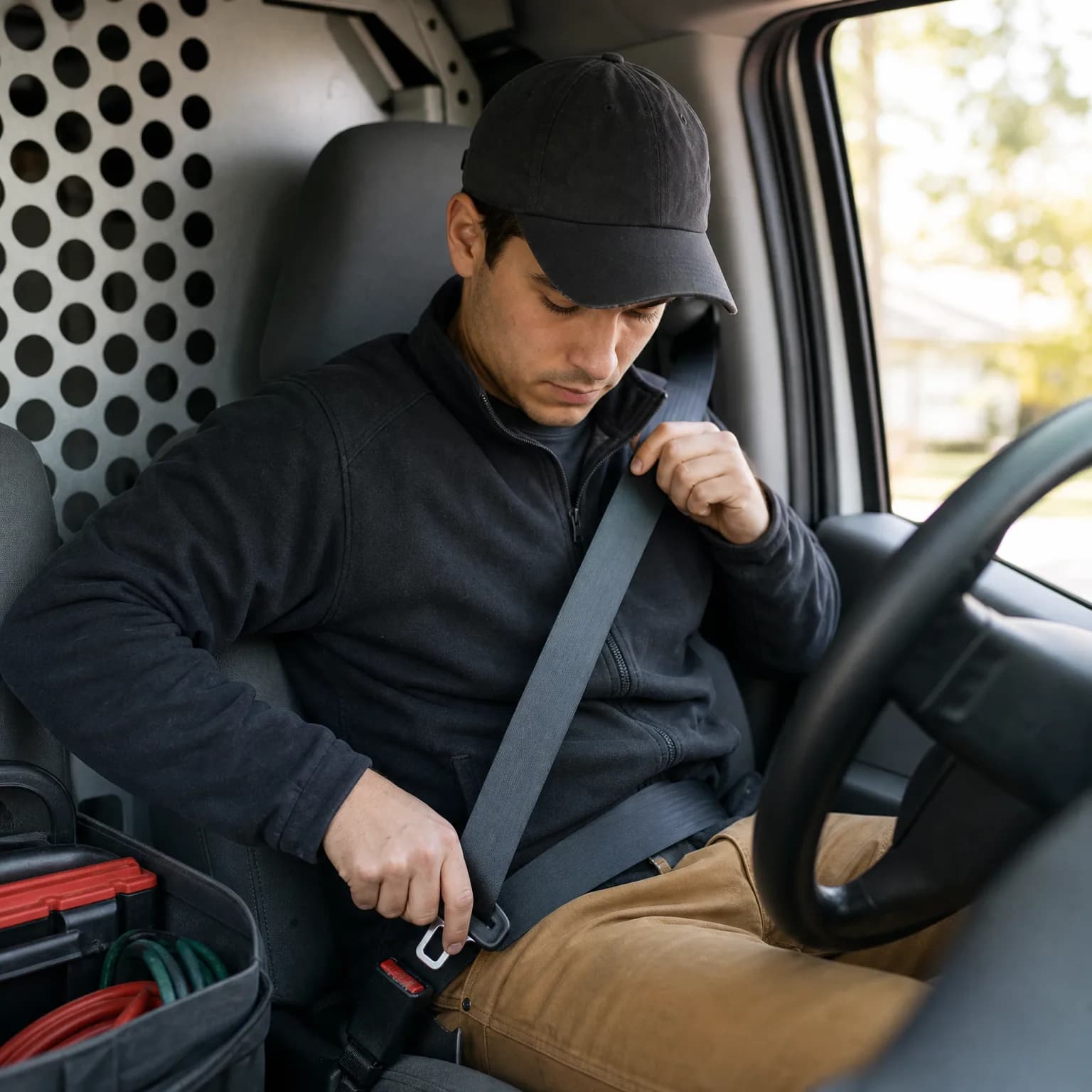
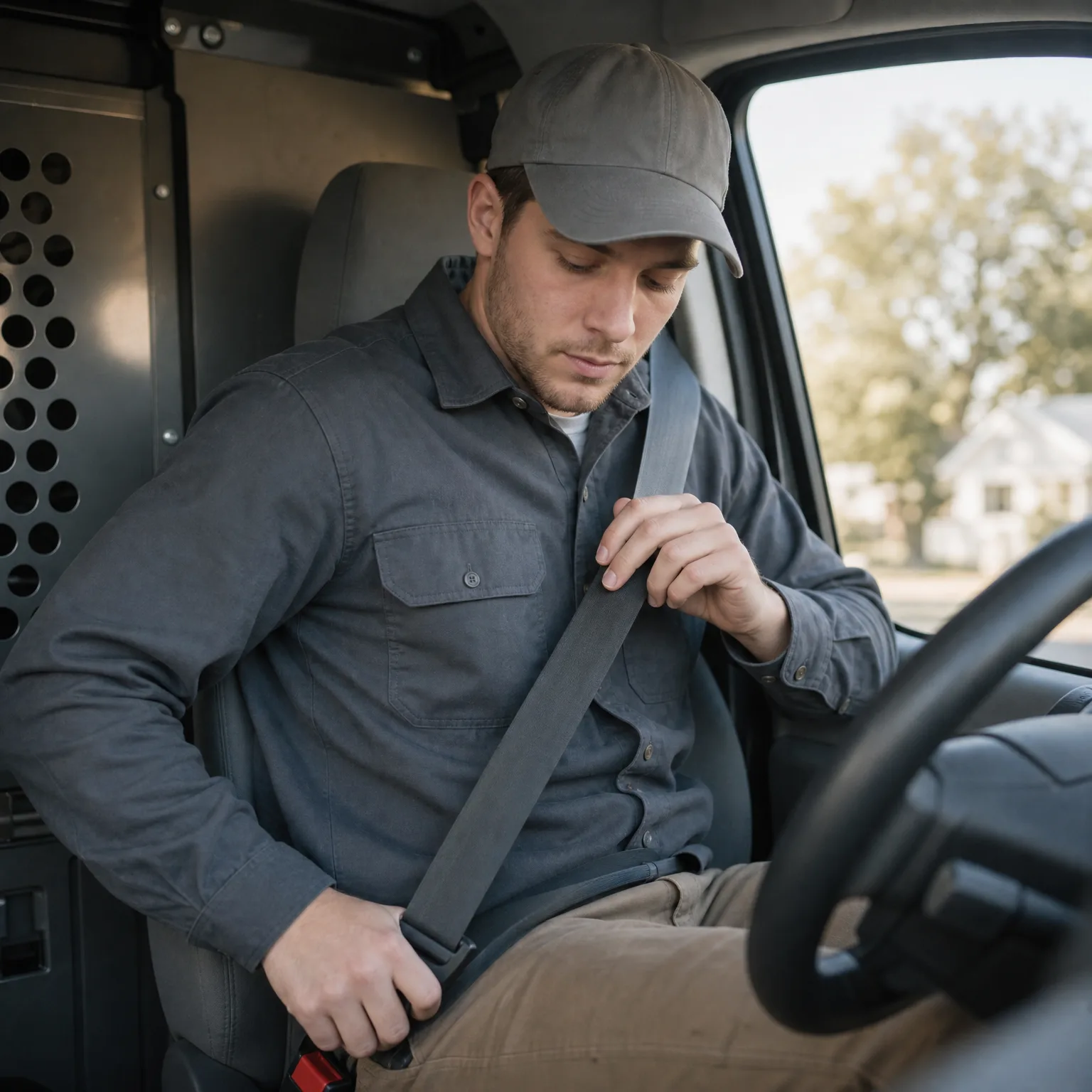
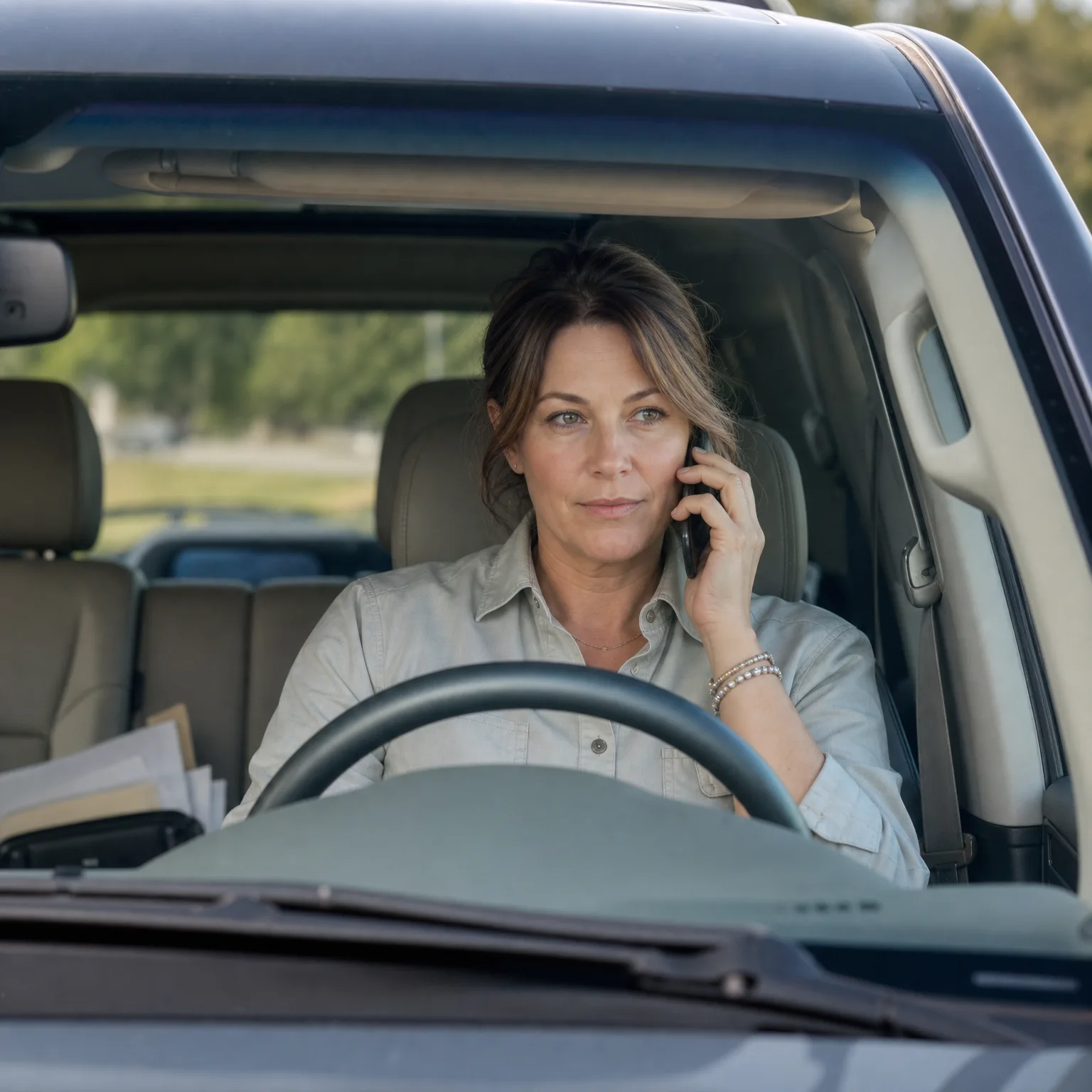
Your personal SR-22 policy excludes coverage the moment you accept a delivery order — even if you're still parked in your driveway. The exclusion follows app activation, not movement.

What Happens If You Don't Disclose Delivery Work
Carriers discover undisclosed commercial use in one of three ways: at-fault accident claim investigation, random policy audits, or app-company data sharing. When DoorDash or Uber Eats reports an accident to their own excess liability carrier, that carrier often notifies your personal-auto carrier as part of subrogation coordination. If your personal carrier discovers you were mid-delivery at the time of the accident, they deny the claim under the commercial-use exclusion, which leaves you personally liable for the other driver's damages and any injuries.
The BMV consequence follows immediately. When your carrier denies a claim and voids your policy retroactively, they file an SR-26 cancellation notice with the Ohio BMV. The BMV interprets retroactive cancellation as a lapse in required financial responsibility coverage, which triggers a new suspension notice. You receive a letter stating your driving privileges are suspended effective 30 days from the notice date unless you file proof of continuous coverage for the disputed period. Because your carrier already voided the policy, you cannot produce that proof. The new suspension runs independently of your original SR-22 requirement — you're now facing a financial-responsibility suspension on top of whatever triggered the original SR-22.
The reinstatement path requires finding a new carrier willing to write you after a policy cancellation for material misrepresentation, paying the $40 BMV reinstatement fee, and filing a new SR-22 certificate. Expect the new premium to run 40–70% higher than your original SR-22 rate. Carriers view undisclosed commercial use as fraud, not oversight, and price you into the highest-risk tier accordingly.
30 days
Ohio SR-26 Suspension Notice Window
When your carrier files an SR-26 cancellation notice with the Ohio BMV, you have 30 days from the notice date to file proof of replacement SR-22 coverage before the new suspension takes effect. Missing that 30-day window triggers automatic suspension and requires full reinstatement before you can drive legally again.
Ohio Revised Code 4509.45

How to Shop for Combined SR-22 and Delivery Coverage
Start by listing every delivery platform you work for and estimating your weekly delivery hours. Carriers price delivery endorsements based on hours of commercial exposure — under 15 hours per week typically qualifies for the lower end of the endorsement cost range, over 25 hours per week pushes you toward commercial-auto policy structures. Call Progressive directly and ask for a quote with SR-22 filing and delivery driver endorsement included from the start. Do not apply for a personal SR-22 policy and then try to add the endorsement later — underwriting will flag the sequence as adverse selection and may decline to add coverage.
If Progressive declines or quotes above $180/month, contact an independent agent who works the non-standard market and specifically mention you need SR-22 plus delivery endorsement in the same policy. Agents working with Dairyland, Bristol West, and National General sometimes negotiate endorsements that those carriers don't advertise publicly. Expect the agent to ask for your MVR, your delivery platform list, and an estimate of miles driven commercially per month. The underwriting timeline runs 5–10 business days for non-standard carriers writing endorsements — faster than standard-market underwriting but slower than instant-quote SR-22 policies that exclude commercial use.
Compare Ohio SR-22 Carriers Who Cover Delivery Work
You need a policy that satisfies the Ohio BMV's SR-22 filing requirement and actually covers you during the delivery windows that generate your income. Shopping this combination means filtering for the small subset of carriers willing to write both — and being upfront about your commercial activity from the first quote request. Undisclosed delivery work creates a coverage gap that costs more to fix after an accident than the endorsement would have cost upfront. Start with carriers writing SR-22 and delivery endorsements in Ohio, disclose your platforms and weekly hours at application, and compare the combined premium against the reinstatement cost and liability exposure of driving uninsured during deliveries.
Carriers Writing Both SR-22 and Delivery Endorsements in Ohio
Progressive writes SR-22 policies in Ohio and offers a delivery driver endorsement that covers food delivery (DoorDash, Uber Eats, Grubhub) and package delivery (Amazon Flex, Instacart). The endorsement adds $25–$50/month to the base SR-22 premium and covers you from the moment you log into the delivery app until you log out, including the drive to pick up the order and the drive to the customer. The endorsement does not cover rideshare (Uber, Lyft) — that requires a separate rideshare endorsement. Progressive requires you to disclose all delivery platforms you work for at application and will not add the endorsement retroactively if you fail to disclose upfront.
GEICO writes SR-22 and offers commercial-use coverage through its GEICO Commercial division, but this path requires converting your entire policy to a commercial-auto structure rather than adding an endorsement to a personal policy. The commercial path costs more — typically $140–$200/month for SR-22 filers — but covers all commercial use without app-specific restrictions. Dairyland and The General both write SR-22 in Ohio and have been known to negotiate delivery endorsements on a case-by-case basis, but neither advertises delivery coverage publicly and approval depends on your driving record severity and the number of hours per week you plan to drive commercially.
Get Your Free Quote
Get My Ohio SR-22 Auto Insurance QuoteFrequently Asked Questions
Does SR-22 insurance automatically cover delivery driving in Ohio?
No. SR-22 is a filing requirement, not a type of insurance. Most personal-auto SR-22 policies exclude commercial use, including food delivery and package delivery. You need a delivery driver endorsement added to your SR-22 policy to have coverage during delivery hours. Progressive, GEICO Commercial, and some non-standard carriers write this combination in Ohio.
What happens if I get in an accident while delivering food on a personal SR-22 policy?
Your carrier will likely deny the claim under the commercial-use exclusion, leaving you personally liable for damages. The carrier may also void your policy retroactively and file an SR-26 cancellation with the Ohio BMV, triggering a new suspension for driving without required financial responsibility. You'll face both the liability from the accident and a new reinstatement process.
How much does delivery driver coverage add to an Ohio SR-22 policy?
Delivery endorsements typically add $25–$50/month to a base SR-22 premium in Ohio. Combined SR-22 and delivery coverage runs $95–$165/month depending on your driving record, delivery hours per week, and the platforms you work for. This compares to $75–$120/month for personal-only SR-22 policies that exclude delivery work entirely.
Can I add a delivery endorsement to my SR-22 policy after I already bought it?
Some carriers allow mid-term endorsements, but many treat after-the-fact requests as adverse selection and decline. Progressive and most non-standard carriers require you to disclose delivery activity at the initial application. If you're already driving deliveries on a personal SR-22 policy without an endorsement, contact your carrier immediately to add coverage before an accident forces the issue.
Do I need a commercial auto policy or just an endorsement for delivery driving with SR-22?
It depends on hours and platforms. Drivers working under 20 hours per week on food or package delivery can usually add a delivery endorsement to a personal SR-22 policy. Drivers working over 25 hours per week or mixing delivery with rideshare often need a full commercial-auto policy. GEICO Commercial writes SR-22 on commercial policies; Progressive writes delivery endorsements on personal policies.
Will DoorDash or Uber Eats insurance cover me if my SR-22 policy excludes delivery?
Platform-provided insurance (DoorDash's excess liability, for example) only applies when you're actively en route to deliver an order or during the delivery itself, and only after your personal policy is exhausted. If your personal SR-22 policy excludes commercial use, the platform's coverage may not attach at all because there's no underlying valid policy. You need a delivery endorsement on your own SR-22 policy to close this gap.
Does the Ohio BMV know if I'm doing delivery work on an SR-22 policy?
The BMV does not track your employment or side gigs. The BMV only monitors whether your SR-22 filing remains active. However, if your carrier discovers undisclosed delivery work and voids your policy, they file an SR-26 cancellation with the BMV, which triggers a new suspension notice. The BMV learns about the commercial use indirectly through carrier filings, not through direct monitoring.