
Same-Day SR-22 for a Suspended License — Ohio
Free to compare
Same-Day SR-22 Filing vs Same-Day Driving
You received a suspension notice yesterday — OVI conviction, Administrative License Suspension at arrest, or insurance lapse — and you need to file SR-22 today to start your reinstatement timeline. The carrier can file SR-22 electronically with the Ohio BMV within hours of binding coverage. That part happens fast.
The confusion: SR-22 filing does not restore your driving privileges. Ohio's Limited Driving Privileges (LDP) system requires a separate court petition, and courts do not operate on same-day timelines. The SR-22 is proof of insurance the court requires before granting LDP — but the petition itself takes weeks to process, and you must serve a hard suspension period before you can even apply.
“SR-22 filing does not restore your driving privileges — Ohio's Limited Driving Privileges require a separate court petition that takes weeks, not hours.”

Get Back on Ohio Roads With the Right SR-22
Get My Ohio SR-22 Auto Insurance Quote15 days
Ohio OVI Hard Suspension Minimum
For a first-offense OVI Administrative License Suspension based on BAC failure, Ohio law imposes a 15-day hard suspension before you become eligible to petition the court for Limited Driving Privileges. Test refusal on first offense carries a 30-day hard period. Repeat offenses carry longer mandatory waits — some reaching 180 days.
Ohio Revised Code § 4511.191
What SR-22 Filing Actually Accomplishes Today
SR-22 is a certificate your insurance carrier electronically files with the Ohio BMV certifying you carry at least state minimum liability coverage: $25,000 bodily injury per person, $50,000 per accident, $25,000 property damage. The filing itself happens same-day once you bind coverage with a carrier writing SR-22 policies in Ohio.
OVI offenders, drivers suspended for uninsured operation under the Financial Responsibility Act, and some repeat point-accumulation suspensions require SR-22 as a condition of reinstatement. The BMV will not clear your suspension or process an LDP court order without SR-22 on file. Filing today starts your compliance clock — Ohio typically requires 3 years of continuous SR-22 for OVI suspensions.
SR-22 does not shorten your suspension period. It does not grant you Limited Driving Privileges. It does not replace the court petition process. It satisfies one required proof-of-insurance step in a multi-step reinstatement pathway. You cannot drive legally on SR-22 alone while suspended — you need either full reinstatement or court-granted LDP.
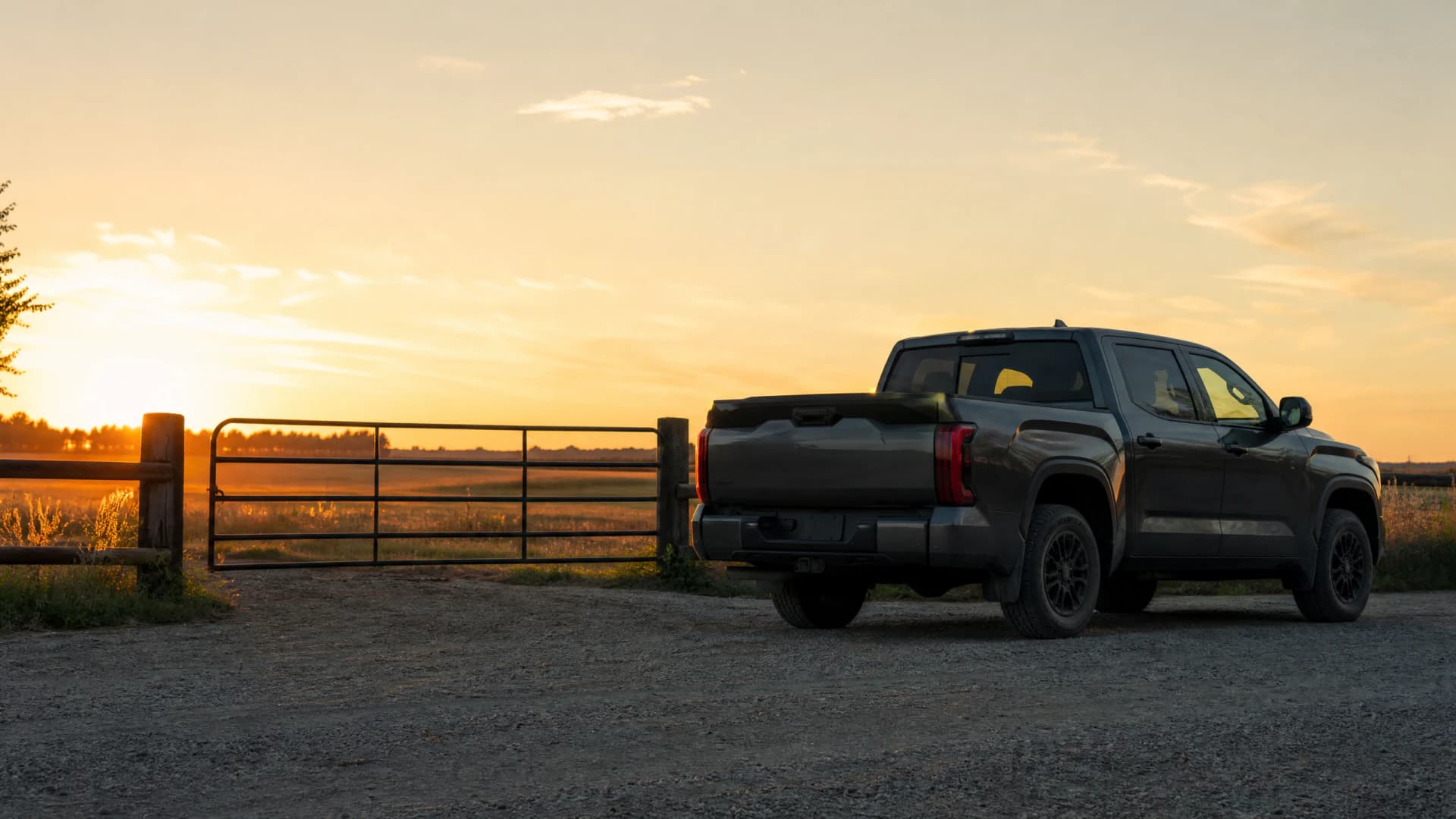
The blocker: Ohio courts grant LDP, not the BMV. Same-day SR-22 filing won't get you back on the road today — you still face the hard suspension wait and court petition timeline.




The Court Petition Timeline You Actually Face
After the hard suspension expires, you file your LDP petition with the appropriate court. Processing time varies by county and court caseload — some courts schedule hearings within 2 weeks, others take 4–6 weeks. You cannot drive during this waiting period unless the court issues an emergency order, which is rare and typically reserved for medical hardship cases.
The court reviews your petition, verifies SR-22 is on file with the BMV, confirms ignition interlock installation if required, and checks completion of any court-ordered programs like Driver Intervention. If anything is missing — SR-22 lapses, DIP certificate not submitted, interlock vendor not approved by Ohio Department of Public Safety — the petition is denied and you start over. Many first petitions are denied for incomplete documentation.
Once granted, LDP remains in effect for the remainder of your suspension period or until full reinstatement, whichever comes first. You must maintain continuous SR-22 coverage throughout. Any lapse in SR-22 — even one day — terminates your LDP immediately and resets your SR-22 compliance clock to zero. Carriers notify the BMV electronically when policies cancel; the BMV notifies the court; the court revokes LDP without a hearing.
3 years
Ohio SR-22 Filing Period OVI
Ohio requires SR-22 on file for 3 years after an OVI conviction, measured from the conviction date, not the filing date. The 3-year clock does not start until you file SR-22 — delaying the initial filing extends the total time you must carry SR-22. Any lapse resets the clock to zero.
Ohio Bureau of Motor Vehicles reinstatement requirements
Getting SR-22 Coverage in Place Today
Carriers writing SR-22 policies in Ohio include Progressive, GEICO, State Farm, Dairyland, Bristol West, The General, Direct Auto, GAINSCO, National General, and Acceptance Insurance. Progressive, GEICO, Dairyland, The General, and Direct Auto all offer online quoting and same-day electronic filing. Non-standard carriers like Bristol West, GAINSCO, and Acceptance specialize in high-risk drivers and often approve policies standard carriers decline.
You need either a standard auto policy with SR-22 endorsement if you own a vehicle, or a non-owner SR-22 policy if you do not currently own a car but need proof of insurance to petition for LDP or satisfy reinstatement requirements. Non-owner policies cost less than standard policies — typically $30–$60 per month for liability-only coverage — because they carry lower risk. The SR-22 filing fee itself is usually $15–$50 depending on carrier, paid once at policy inception and again at each renewal.
Start Your SR-22 Filing and Court Petition Path Now
File SR-22 today with a carrier writing Ohio policies. The filing registers with the BMV electronically within hours and starts your compliance clock. While the hard suspension period runs, gather the documentation your court petition will require: completed Driver Intervention Program certificate if OVI-related, proof of employment or school enrollment, ignition interlock installation receipt if applicable, and court filing fee payment. Contact the appropriate court — sentencing court for OVI convictions, court of common pleas in your county for administrative suspensions — to confirm their specific petition requirements and current processing timeline. Some counties provide petition form templates on court websites; others require in-person filing. Once the hard suspension expires and your petition is complete, file immediately to minimize the gap between suspension and LDP approval. Compare SR-22 carriers writing in Ohio to find coverage that fits your budget and files same-day.
How Limited Driving Privileges Work in Ohio
You petition the court after serving the mandatory hard suspension period. For OVI convictions, you petition the sentencing court. For BMV administrative suspensions, you petition the court of common pleas in your county of residence. Filing in the wrong court results in dismissal. Petitions require proof of SR-22 insurance already on file with the BMV, proof of employment or school enrollment, completed Driver Intervention Program certificate for OVI offenders, payment of court filing fees (varies by court, typically $50–$150), and in most OVI cases, installation of an approved ignition interlock device before the court will grant the petition.
Courts have broad discretion to define your permitted driving purposes, routes, and hours. One driver's LDP may allow work commute only; another may include childcare drop-off and medical appointments. The court order specifies exactly when and where you can drive. Violating those terms — driving outside permitted hours, deviating from approved routes, or driving for unapproved purposes — triggers immediate LDP revocation and extends your full suspension period. LDP is a conditional privilege, not a restoration of full driving rights.
Get Your Free Quote
Get My Ohio SR-22 Auto Insurance QuoteFrequently Asked Questions
Can I drive the same day I file SR-22 in Ohio?
No. SR-22 filing proves you carry insurance but does not restore driving privileges. You must either serve your full suspension and pay reinstatement fees, or petition the court for Limited Driving Privileges after the mandatory hard suspension period expires. Driving on SR-22 alone while suspended is illegal.
How long does it take to get Limited Driving Privileges in Ohio after filing SR-22?
You must first serve the hard suspension period — 15 days minimum for first-offense OVI BAC failure, 30 days for test refusal, longer for repeat offenses. After that expires, you petition the court. Court processing takes 2–6 weeks depending on county caseload. Total timeline from suspension to LDP approval is typically 4–8 weeks for first offenses.
What happens if my SR-22 lapses while I have Limited Driving Privileges?
Your LDP is immediately revoked. Carriers electronically notify the Ohio BMV when policies cancel. The BMV notifies the court, which revokes your LDP without a hearing. Your SR-22 compliance clock resets to zero — you must file a new SR-22 and serve the full 3-year period from the new filing date.
Do I need ignition interlock to get Limited Driving Privileges in Ohio?
Yes, for most OVI-related suspensions. Ohio Revised Code § 4510.022 requires ignition interlock installation before the court will grant LDP for OVI offenders. The device must be installed by an Ohio Department of Public Safety approved vendor. Non-OVI suspensions typically do not require interlock.
Can I file SR-22 without owning a car in Ohio?
Yes. Non-owner SR-22 policies provide liability coverage when you drive vehicles you do not own. Ohio courts accept non-owner SR-22 filings for LDP petitions and the BMV accepts them for reinstatement. Monthly premiums typically run $30–$60 for liability-only non-owner coverage.
Which court do I petition for Limited Driving Privileges in Ohio?
For OVI convictions, petition the sentencing court that imposed your suspension. For BMV administrative suspensions (Administrative License Suspension at arrest, insurance lapse, point accumulation), petition the court of common pleas in your county of residence. Filing in the wrong court results in dismissal.
How much does SR-22 cost in Ohio after a suspension?
The SR-22 filing fee is $15–$50 depending on carrier, paid once at policy inception and again at renewal. Monthly premiums for liability coverage with SR-22 endorsement typically range $85–$200 depending on suspension cause, age, and driving history. Non-owner SR-22 policies cost less — approximately $30–$60 per month.