
Non-Owner SR-22 Without a Vehicle — Ohio
Free to compare
The Non-Owner SR-22 Problem Ohio Drivers Face
You sold your car after the OVI arrest, or you never owned one, or someone else in your household owns the vehicle you were driving. The Ohio BMV suspension letter says you need SR-22 insurance to reinstate, but every carrier you've called asks what vehicle you're insuring. When you say you don't have one, they either hang up or try to sell you a policy on a car you don't own. You're stuck in a procedural loop where the state demands SR-22 but carriers won't issue it without a vehicle.
Non-owner SR-22 insurance is the product built for exactly this situation. It provides the liability coverage Ohio requires — $25,000 per person, $50,000 per accident, $25,000 property damage — and attaches the SR-22 certificate to that policy without requiring you to list a specific vehicle. The BMV accepts non-owner SR-22 filings identically to vehicle-attached SR-22. The distinction between non-owner and standard SR-22 matters to insurance carriers and pricing, but not to the state's reinstatement process.
“The BMV accepts non-owner SR-22 filings identically to vehicle-attached SR-22 — the distinction matters to carriers, not to the state.”

Get Back on Ohio Roads With the Right SR-22
Get My Ohio SR-22 Auto Insurance Quote$25–$45/month
Ohio Non-Owner SR-22 Premium Range
Non-owner SR-22 policies typically cost 40–60% less than standard SR-22 auto policies because they carry lower risk exposure — no collision coverage, no comprehensive, no vehicle on the hook. Actual cost depends on violation type, driving history, and county.
Industry premium estimates, Ohio non-standard carrier filings
What Non-Owner SR-22 Actually Covers in Ohio
Non-owner SR-22 provides liability coverage when you drive a vehicle you do not own. If you borrow a friend's car and cause an accident, the non-owner policy pays for injuries and property damage you cause, up to the policy limits. It does not cover damage to the vehicle you're driving — that's the owner's responsibility under their own policy. It does not cover your own injuries. It exists purely to satisfy Ohio's financial responsibility requirement and protect others on the road when you're behind the wheel of someone else's vehicle.
The SR-22 certificate is the state filing that proves you carry this coverage. When you purchase a non-owner policy, the carrier files Form SR-22 with the Ohio BMV electronically, typically within 24–48 hours. The BMV records the filing on your driving record. That filing remains active as long as you maintain the policy and pay premiums. If you cancel or lapse, the carrier notifies the BMV within 10 days, and your license is re-suspended immediately.
Ohio requires SR-22 filing for OVI convictions, certain reckless driving cases, driving uninsured, and some insurance lapse suspensions. The BMV suspension letter will specify whether SR-22 is required for your case. If your letter does not mention SR-22 or financial responsibility filing, you likely do not need it — confirm with the BMV before purchasing.
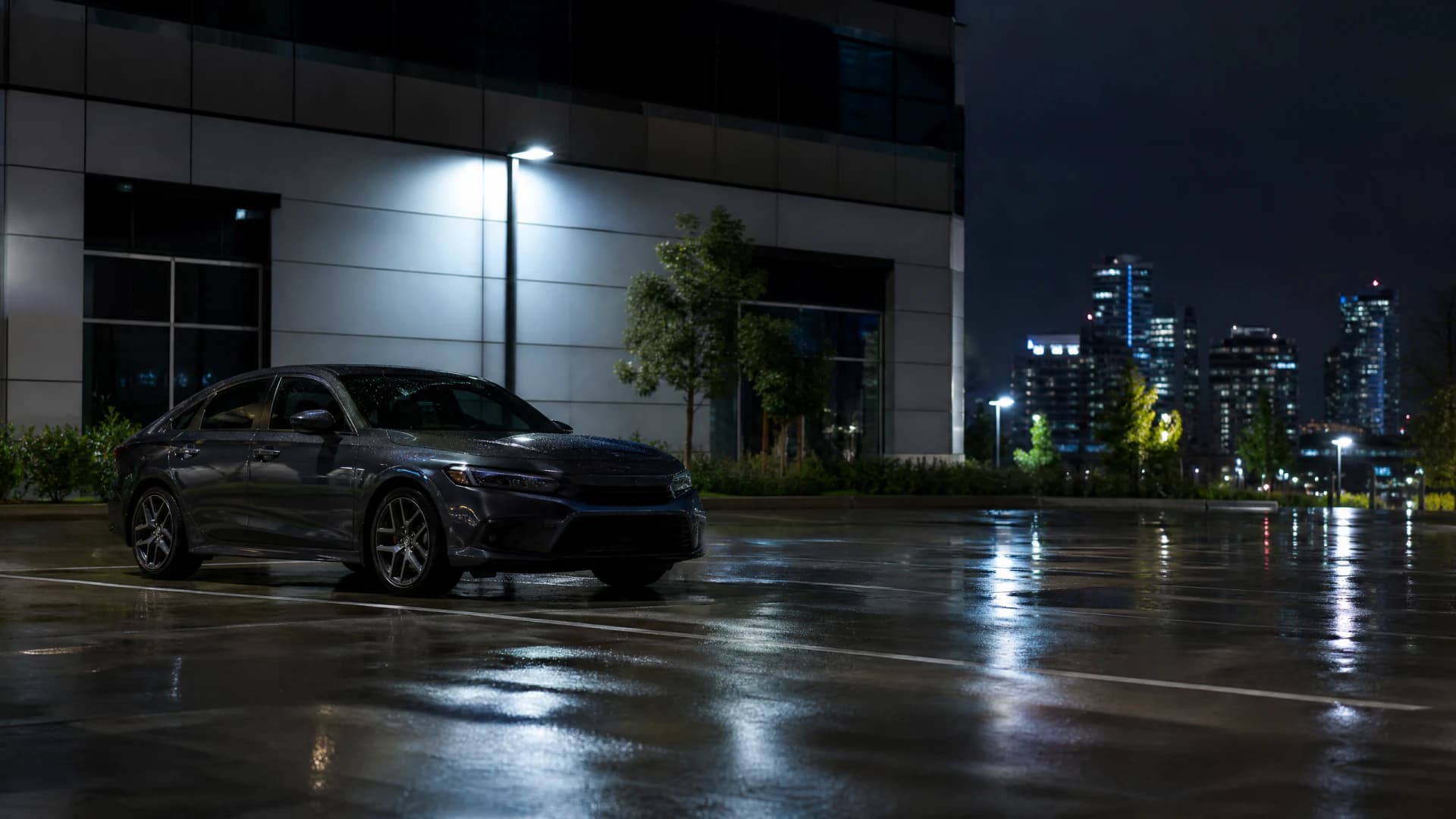
The BMV does not distinguish between non-owner SR-22 and vehicle-attached SR-22 for reinstatement purposes. Both satisfy the financial responsibility requirement identically.



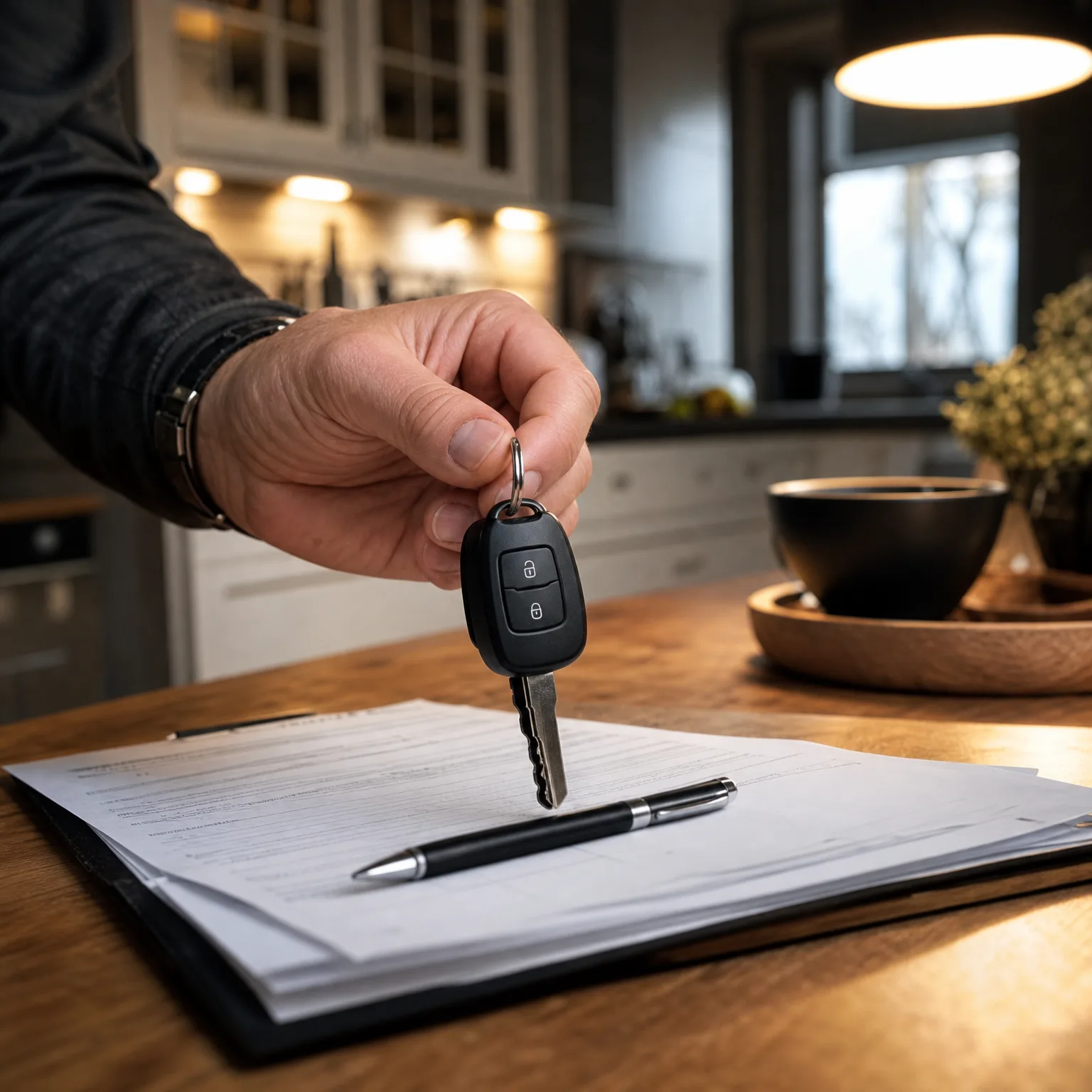


Non-Owner SR-22 vs Standard SR-22 Cost in Ohio
Non-owner SR-22 costs significantly less than standard SR-22 auto insurance because the policy carries no vehicle risk. A standard SR-22 policy covers collision, comprehensive, and liability on a specific vehicle — the carrier is on the hook for the car's value if you total it. A non-owner policy carries only liability exposure, and only when you're driving someone else's car. Lower risk means lower premiums.
Typical Ohio non-owner SR-22 premiums run $25–$45 per month for drivers with a single OVI and no other recent violations. Drivers with multiple OVIs, reckless driving, or recent at-fault accidents pay more — sometimes $60–$85/month. Standard SR-22 auto policies for the same driver profile typically cost $120–$200/month depending on the vehicle, coverage limits, and deductible selections. If you genuinely do not own a vehicle and do not plan to purchase one during the SR-22 filing period, non-owner SR-22 is the correct product and will save you $1,000+ per year compared to insuring a car you don't drive.
One structural quirk: if you later purchase a vehicle while your non-owner SR-22 policy is active, you must convert to a standard auto policy with SR-22 attached. The non-owner policy does not cover a vehicle you own. Notify the carrier immediately when you buy a car, add the vehicle to the policy, and ensure the SR-22 filing transfers without a gap. Any lapse between the non-owner policy cancellation and the new policy's SR-22 filing triggers BMV re-suspension.
3 years
Ohio OVI SR-22 Filing Duration
Ohio Revised Code 4509.45 requires SR-22 filing for 3 years following an OVI conviction, measured from the conviction date. If you file SR-22 two years after conviction, you still owe the full 3-year filing period from that original conviction date — the clock does not restart when you file.
Ohio Revised Code 4509.45

When Non-Owner SR-22 Does Not Work
Non-owner SR-22 does not work if you own a vehicle, even if that vehicle is unregistered, inoperable, or titled in your name but driven by someone else. Insurance carriers underwrite non-owner policies on the assumption you do not have regular access to a specific vehicle. If you own one, the carrier will require a standard auto policy with that vehicle listed. Lying about vehicle ownership to obtain a cheaper non-owner policy is grounds for denial of claims and cancellation of the SR-22 filing.
Non-owner SR-22 also does not work if you live in a household where another driver owns a vehicle and you are listed as a household member on their policy. Most carriers require you to be excluded from that household policy or added as a rated driver before they will issue you a separate non-owner policy. If you're already rated on someone else's policy as a household driver, you likely do not need a separate non-owner policy — confirm whether SR-22 can be attached to the existing household policy instead.
Next Step for Ohio Non-Owner SR-22
Confirm your BMV suspension letter specifies SR-22 filing as a reinstatement requirement. If it does, request non-owner SR-22 quotes from carriers writing this product in Ohio: Dairyland, GAINSCO, Geico, Progressive, The General. Provide your driver's license number and the violation details from your suspension letter. Bind coverage, pay the first premium, and verify the carrier files SR-22 with the BMV within 48 hours. Once the BMV records the filing and you satisfy any other reinstatement conditions — reinstatement fee, Driver Intervention Program completion for OVI cases, court-ordered requirements — you can apply to reinstate your license. The non-owner policy keeps your SR-22 active for the full required period without the cost of insuring a vehicle you don't own.
How to Get Non-Owner SR-22 in Ohio
Start by contacting carriers that explicitly write non-owner SR-22 in Ohio. Not all carriers offer this product. Based on Ohio licensing data, Dairyland, GAINSCO, Geico, Progressive, and The General write non-owner SR-22 policies in the state. Request a non-owner SR-22 quote, provide your driver's license number, and disclose the violation that triggered the SR-22 requirement — OVI, uninsured driving, or whatever appears on your BMV suspension letter. The carrier will pull your driving record, quote the policy, and file SR-22 with the BMV once you bind coverage and pay the first premium.
You must maintain the policy for the full SR-22 filing period Ohio requires. For OVI convictions, that period is typically 3 years measured from the conviction date, not the filing date. For insurance lapse suspensions, the period varies by the specifics of your case — confirm with the BMV. If you let the policy lapse at any point during that period, the carrier cancels the SR-22 filing, the BMV re-suspends your license, and you start the filing clock over when you refile.
Get Your Free Quote
Get My Ohio SR-22 Auto Insurance QuoteFrequently Asked Questions
Can I get SR-22 insurance in Ohio without owning a car?
Yes. Non-owner SR-22 insurance provides the liability coverage and SR-22 certificate Ohio requires for license reinstatement without requiring you to own or list a specific vehicle. The Ohio BMV accepts non-owner SR-22 filings identically to standard SR-22. Typical monthly cost is $25–$45 for drivers with a single OVI.
How long does Ohio require SR-22 filing after an OVI?
Ohio requires SR-22 filing for 3 years following an OVI conviction, measured from the conviction date under Ohio Revised Code 4509.45. If you file SR-22 two years after your conviction, you still owe the full 3-year period from the original conviction date — the filing clock does not restart when you purchase the policy.
What happens if I let my non-owner SR-22 policy lapse in Ohio?
The carrier notifies the Ohio BMV within 10 days of the lapse. The BMV re-suspends your license immediately. You must purchase a new SR-22 policy, refile with the BMV, and pay a reinstatement fee before you can drive legally again. The 3-year SR-22 filing period does not reset — you still owe time from your original conviction date.
Can I buy a car while I have a non-owner SR-22 policy in Ohio?
Yes, but you must immediately convert to a standard auto policy with SR-22 attached to the new vehicle. Non-owner SR-22 does not cover vehicles you own. Contact your carrier the day you purchase the car, add the vehicle to the policy, and ensure the SR-22 filing transfers without a gap. Any lapse triggers BMV re-suspension.
Does non-owner SR-22 cover me when I borrow someone else's car in Ohio?
Yes. Non-owner SR-22 provides liability coverage when you drive a vehicle you do not own. If you cause an accident while driving a borrowed car, the policy pays for injuries and property damage you cause up to the policy limits. It does not cover damage to the borrowed vehicle or your own injuries.
Which Ohio carriers write non-owner SR-22 policies?
Dairyland, GAINSCO, Geico, Progressive, and The General are confirmed to write non-owner SR-22 policies in Ohio based on state licensing data. Not all carriers offer this product. Contact these carriers directly, request a non-owner SR-22 quote, and provide your driver's license number and violation details from your BMV suspension letter.