
Non-Owner SR-22 Insurance With No Money Down — Ohio
Free to compare
You Need SR-22 Filing But You Don't Own a Car
You sold your car during suspension or never owned one to begin with, but the Ohio BMV reinstatement letter says you need SR-22 proof of financial responsibility on file before they'll restore your license. Most suspended drivers assume SR-22 requires owning a vehicle. It does not. Non-owner SR-22 policies exist specifically for drivers who need state-mandated liability coverage without insuring a specific car.
The procedural blocker most Ohio drivers hit: they apply to their old carrier or a major-brand website, get quoted a standard auto policy requiring vehicle information, and assume non-owner SR-22 doesn't exist or costs more. The structural reality is the opposite. Non-owner SR-22 policies cost less than standard policies because they cover only your liability when driving someone else's car, and several non-standard carriers write them with monthly billing and no down payment beyond the first month's premium.
“Missing one monthly premium payment resets your entire three-year SR-22 clock to day one — the lapse costs you years, not weeks.”
Get Back on Ohio Roads With the Right SR-22
Get My Ohio SR-22 Auto Insurance Quote$40
Ohio SR-22 Reinstatement Fee
The BMV charges $40 to process reinstatement after SR-22 filing is on record, separate from the insurance premium. This is a one-time state fee, not a carrier charge.
Ohio Revised Code 4507.1612
What Non-Owner SR-22 Actually Covers
A non-owner SR-22 policy provides liability coverage when you drive a car you do not own: a friend's car, a rental, a borrowed vehicle. Ohio requires minimum liability limits of $25,000 bodily injury per person, $50,000 per accident, and $25,000 property damage. The non-owner policy meets these minimums and files the SR-22 certificate electronically with the BMV.
The policy does not cover a car you own, lease, or have regular access to. If you live with someone who owns a car and you drive it regularly, most carriers will not write a non-owner policy for you. The underwriting question is whether you have consistent access to a specific vehicle. Occasional borrowing qualifies; daily use of a household car does not.
Non-owner SR-22 does not include collision or comprehensive coverage because there is no specific vehicle to insure. It covers only your liability to others when you cause an accident while driving a car you do not own. If you later buy a car, you must convert to a standard auto policy and notify the carrier immediately or the SR-22 filing lapses.
Carriers who write standard auto SR-22 often do not write non-owner SR-22. The underwriting appetite is different, and most suspended drivers waste application time at the wrong carriers.




How Monthly Billing Works and What Counts as Down Payment
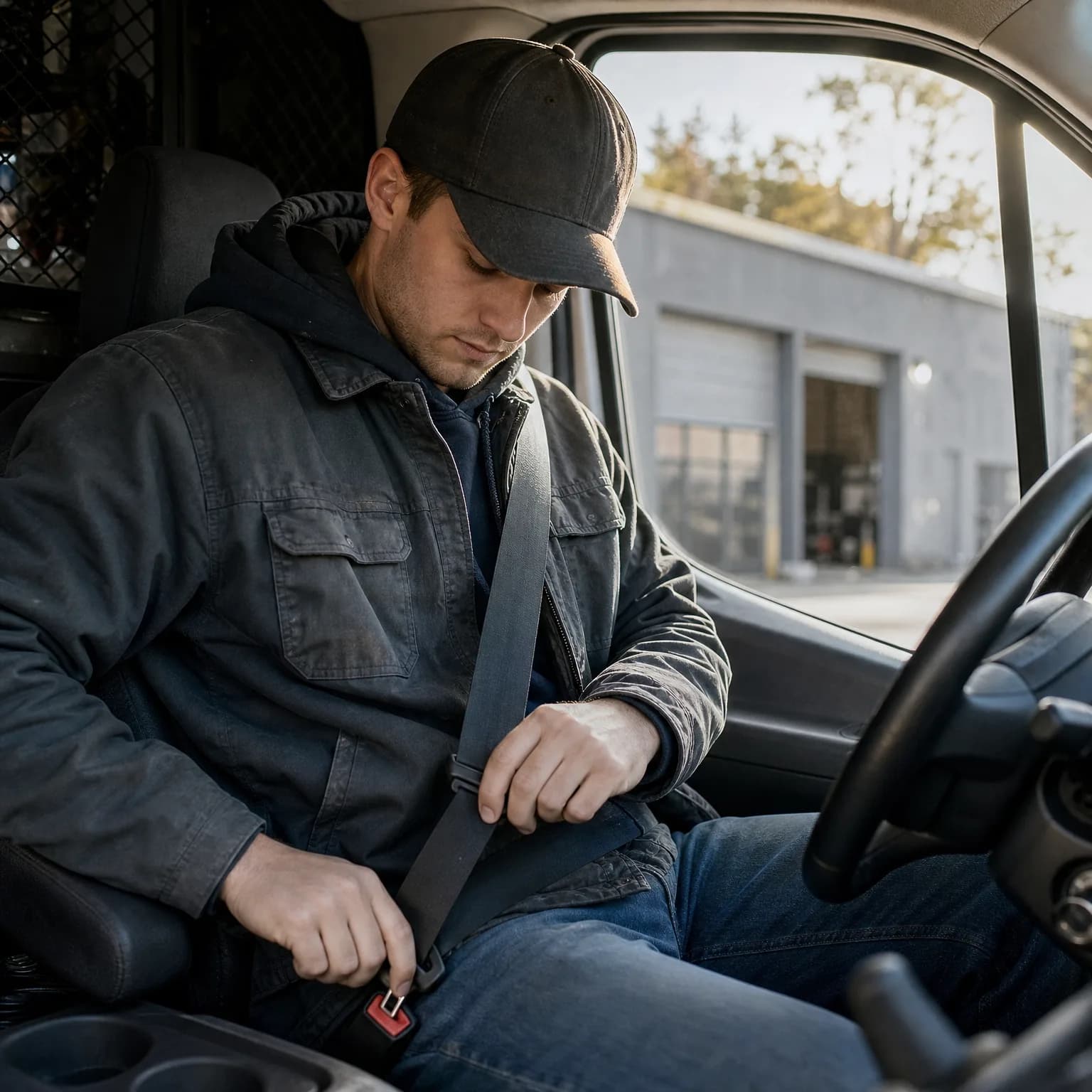
Monthly-billed non-owner SR-22 policies require the first month's premium at purchase. This is not a down payment in the traditional sense; it is the first installment of your ongoing monthly premium. If your monthly premium is $78, you pay $78 to activate the policy and the SR-22 filing goes to the BMV within 24–48 hours. The second month's premium bills 30 days later.
Some carriers add a small installment fee to monthly billing, typically $3–$8 per month. This fee does not apply to six-month-paid policies. If you can afford to pay six months upfront, you avoid installment fees entirely, but most suspended drivers cannot front $400–$550 while also paying the $40 BMV reinstatement fee and any court fines or DIP program costs. Monthly billing exists for exactly this reason.
The SR-22 filing fee is separate from the premium. Carriers charge $15–$25 to file the SR-22 certificate with the state. This is a one-time fee, usually included in the first month's payment or billed separately at purchase. Verify the total first-payment amount before binding coverage. Some carriers itemize the filing fee; others roll it into the first month's premium without breaking it out on the invoice.
3 years
Ohio SR-22 Filing Period
Ohio requires SR-22 filing for three years after OVI conviction or uninsured-driving suspension, measured from the conviction or suspension date. The filing must remain active and continuous; any lapse triggers BMV suspension and restarts the three-year clock.
Ohio Revised Code 4509.45
What Happens If You Miss a Monthly Payment
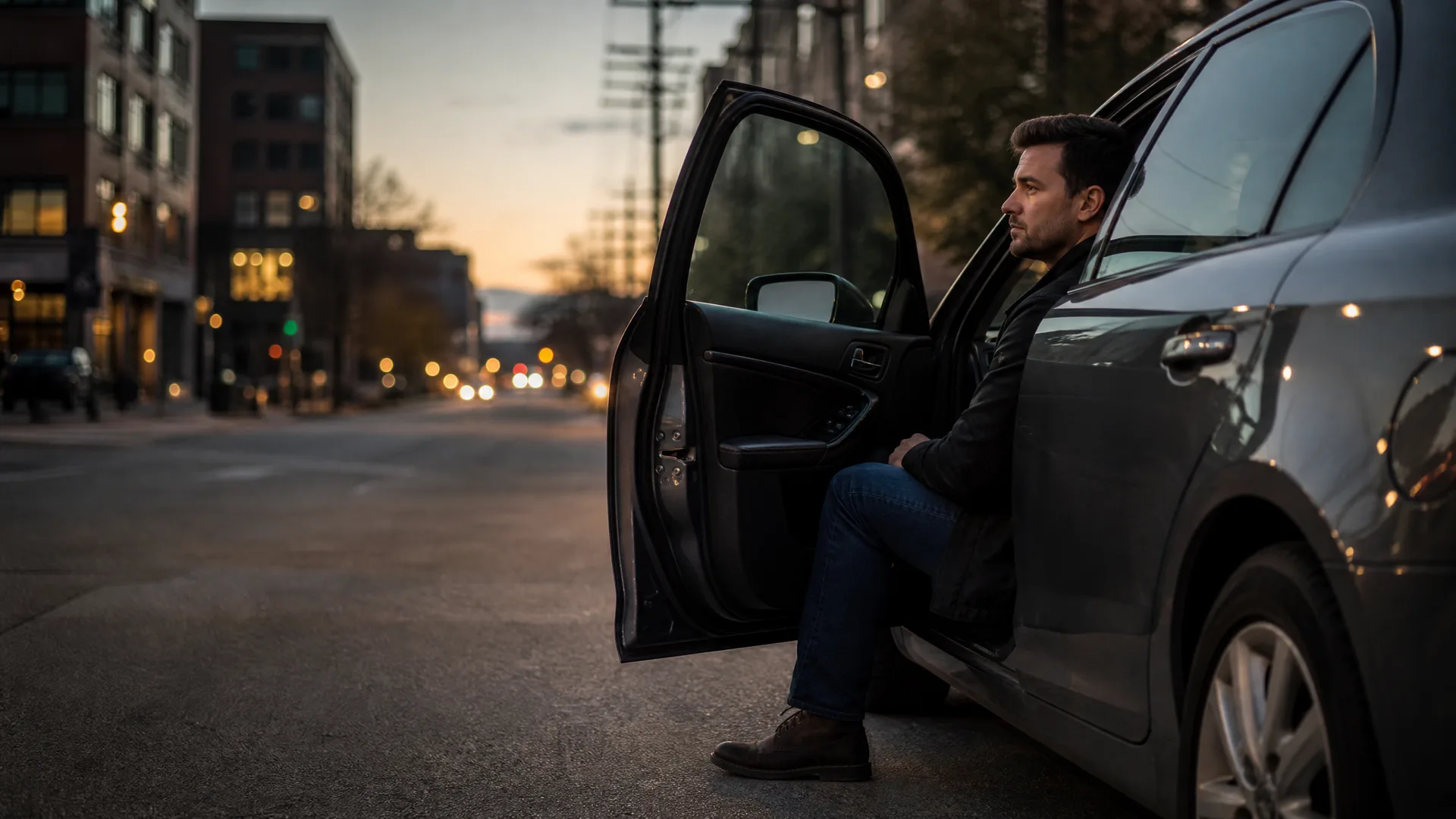
Missing a monthly premium payment triggers a carrier cancellation notice. Ohio law requires carriers to notify the BMV electronically within 24 hours of policy cancellation. The BMV then suspends your license immediately. There is no grace period once the carrier files the cancellation notice. You cannot drive legally from the moment the BMV receives the notice, even if you pay the overdue premium the next day.
Reinstating after a lapse-triggered suspension requires purchasing a new SR-22 policy, paying the $40 reinstatement fee again, and restarting the three-year SR-22 filing clock from the date of the new policy. If you were two years into your original three-year requirement and missed a payment, the lapse resets you to day one of a new three-year period. This is the single most expensive failure mode in the SR-22 system and the reason automatic monthly billing with a reliable payment method is critical.
Compare Non-Owner SR-22 Quotes Before You Commit
Non-owner SR-22 premiums vary by $20–$40/month between carriers for the same driver and violation history. Progressive may quote $72/month while The General quotes $95/month for an identical coverage profile. The difference over three years is $828. Suspended drivers operating under financial pressure often bind the first quote they receive without comparing, leaving money on the table they cannot afford to lose.
Request quotes from at least three carriers who write non-owner SR-22 in Ohio. Progressive and Geico allow online quoting; call The General and Dairyland directly. Provide your suspension reason, conviction date, and county. Ask for the total first-payment amount including SR-22 filing fee and the exact monthly premium with installment fees itemized. Verify the carrier files SR-22 electronically with the Ohio BMV and confirm the filing happens within 48 hours of payment. Compare total three-year cost, not just monthly premium. A carrier charging $3/month less but adding a $50 policy fee at renewal costs more over three years than a carrier with no hidden fees.
Which Ohio Carriers Write Non-Owner SR-22 With Monthly Billing
Progressive, Geico, The General, and Dairyland all write non-owner SR-22 policies in Ohio and offer monthly billing. Progressive and Geico allow online quoting for non-owner policies; The General and Dairyland require phone quotes. Monthly premiums for non-owner SR-22 in Ohio typically range $65–$95 for drivers with OVI or uninsured-driving suspensions, depending on violation recency and county. First month's premium is due upfront; subsequent months bill automatically.
Bristol West and GAINSCO also write non-owner SR-22 in Ohio but underwriting guidelines vary by violation type. Bristol West requires broker contact for non-owner quotes. GAINSCO writes non-owner SR-22 but may require higher down payments for recent OVI convictions. National General writes non-owner policies but SR-22 filing capability for non-owner policies is not confirmed across all states; verify before applying.
Get Your Free Quote
Get My Ohio SR-22 Auto Insurance QuoteFrequently Asked Questions
Can I get non-owner SR-22 insurance in Ohio if I have an OVI conviction?
Yes. Progressive, Geico, The General, and Dairyland all write non-owner SR-22 policies for Ohio drivers with OVI convictions. Monthly premiums typically range $65–$95 depending on conviction recency and county. The carrier files the SR-22 certificate with the BMV electronically within 24–48 hours of your first payment.
How much does non-owner SR-22 insurance cost per month in Ohio with no down payment?
Non-owner SR-22 policies in Ohio cost $65–$95/month with no down payment beyond the first month's premium. The first payment includes the monthly premium plus a $15–$25 SR-22 filing fee. Subsequent months bill the premium only, plus a $3–$8 installment fee if you choose monthly billing instead of paying six months upfront.
Do I need non-owner SR-22 if I don't own a car but live with someone who does?
It depends on whether you have regular access to the household vehicle. If you drive the car daily or are listed as a household member with driving privileges, most carriers require you to be added to the owner's standard policy rather than purchasing a separate non-owner policy. Occasional borrowing qualifies for non-owner SR-22; consistent access does not.
What happens to my non-owner SR-22 if I buy a car during the three-year filing period?
You must convert to a standard auto SR-22 policy immediately and notify your carrier before driving the newly purchased car. Non-owner policies do not cover vehicles you own. Driving a car you own under a non-owner policy voids coverage, and failing to notify the carrier can trigger SR-22 filing cancellation and BMV suspension.
Can I cancel my non-owner SR-22 policy after my license is reinstated?
No. Ohio requires continuous SR-22 filing for three years after OVI conviction or uninsured-driving suspension. Canceling the policy before the three-year period ends triggers immediate BMV suspension and restarts the three-year clock from the date you purchase a new SR-22 policy. You must maintain active coverage for the full period.
Which Ohio carriers offer the cheapest non-owner SR-22 with monthly payments?
Progressive and Dairyland typically offer the lowest non-owner SR-22 rates in Ohio, with monthly premiums starting around $65–$75 for drivers with single OVI convictions. Geico and The General quote slightly higher at $80–$95/month but may offer better rates depending on your county and violation recency. Compare quotes from all four before binding coverage.