
Non-Owner SR-22 Insurance — Springfield, Ohio
Free to compare
When Ohio Requires SR-22 But You Don't Own a Vehicle
Your license is suspended after an OVI conviction, a lapse in insurance, or an administrative violation — and the Ohio BMV now requires you to carry SR-22 proof-of-insurance for three years before you can reinstate. But you don't own a car. You sold it after the suspension, or you never owned one to begin with. The standard advice — get auto insurance and file SR-22 — doesn't fit your situation, and calling carriers for quotes on a vehicle you don't have only creates confusion.
This is the exact scenario non-owner SR-22 insurance was built for. It's a liability policy that covers you when you drive someone else's vehicle occasionally, paired with the SR-22 certificate the BMV requires. You're not insuring a car you own. You're satisfying Ohio's financial responsibility requirement while keeping the legal door open to drive borrowed vehicles during your filing period. Most suspended drivers in Springfield don't know this product exists — but it's the cheapest path to SR-22 compliance when you don't have a vehicle to insure.
“A single day of lapse resets your entire three-year SR-22 clock to zero — Ohio does not give partial credit for time served.”
Get Back on Ohio Roads With the Right SR-22
Get My Ohio SR-22 Auto Insurance Quote3 years
Ohio SR-22 Filing Period
Ohio Revised Code § 4509.45 requires SR-22 filing for three years following most suspension triggers — OVI convictions, insurance lapses, and uninsured-driving violations. The three-year clock starts from the date the BMV records the filing, not the suspension date or conviction date.
Ohio Revised Code § 4509.45
What Non-Owner SR-22 Actually Covers
Non-owner SR-22 is a liability-only policy. It does not cover damage to the vehicle you're driving — that's the owner's responsibility through their own collision and comprehensive coverage. What it does cover: bodily injury and property damage you cause to others while driving a borrowed or rented vehicle. Ohio's minimum liability limits are $25,000 per person for bodily injury, $50,000 per accident, and $25,000 for property damage. Your non-owner policy meets these minimums and triggers the SR-22 certificate the BMV requires.
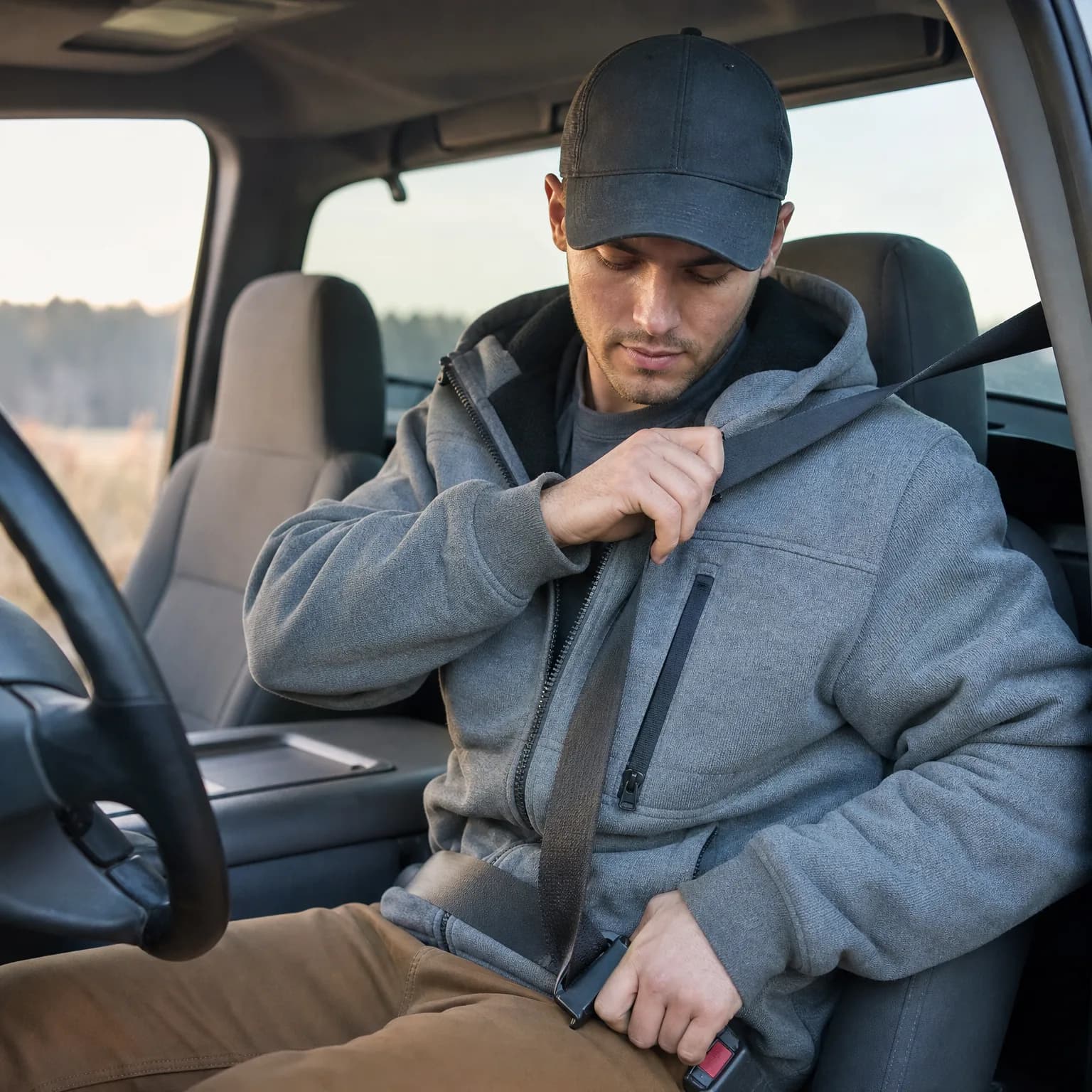
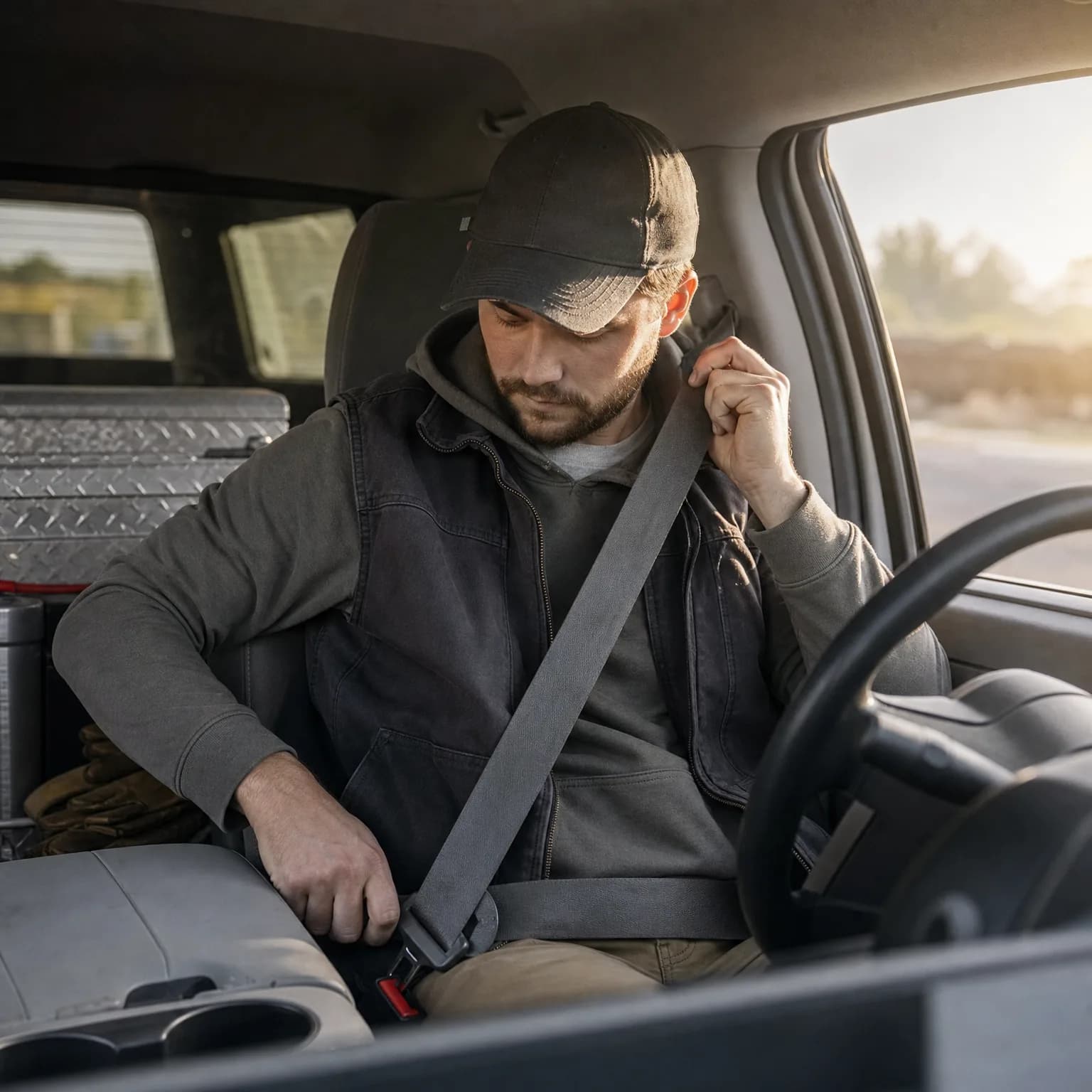
The policy does not cover vehicles you own, even if they're registered in someone else's name. It does not cover vehicles furnished for your regular use — if your employer provides a company car you drive daily, or if a household member lets you use their car as your primary vehicle, the non-owner exclusion applies and the policy will not pay a claim. Non-owner SR-22 is built for occasional use: borrowing a friend's car for an errand, renting a vehicle for a weekend trip, driving a family member's car a few times a month.
The SR-22 certificate itself is a one-page form your insurer files electronically with the Ohio BMV. It's not a separate insurance product — it's proof that you carry continuous liability coverage meeting the state's financial responsibility requirement. If your non-owner policy lapses for any reason, the carrier notifies the BMV within 24 hours and your suspension clock resets. You lose credit for all filing time served before the lapse, and Ohio treats you as a new filer starting from zero.

A single day of lapse resets your entire three-year SR-22 clock to zero — Ohio does not give partial credit for time served before the gap.
Cost Structure and Filing Fees
Non-owner SR-22 premiums in Springfield typically run $25 to $40 per month for drivers with a single OVI or insurance-lapse suspension on record. This is 60% to 70% less than the cost of standard SR-22 auto insurance, which requires covering a vehicle you own. The premium reflects liability-only coverage with no collision or comprehensive exposure — the carrier's risk is limited to your occasional use of borrowed vehicles, not daily ownership exposure.
Carriers charge a one-time SR-22 filing fee when they submit the certificate to the Ohio BMV. This fee is set by the carrier and varies — typically $15 to $50 depending on the insurer. Some carriers include the filing fee in the first month's premium; others bill it separately. Ask about the filing fee upfront when you request a quote. If your policy lapses and you need to reinstate SR-22 filing later, the carrier will charge the filing fee again as if you were a new customer.
Payment plans matter more with non-owner SR-22 than with standard auto insurance because you're filing proof of continuous coverage for three years. A single missed payment triggers a lapse notice to the BMV, and Ohio does not offer a grace period. Choose a carrier that offers flexible payment schedules — monthly electronic fund transfer is the most reliable option. Some non-standard carriers require a larger down payment (two or three months upfront) for SR-22 filers, which increases your initial cost but reduces the risk of accidental lapse.
$40
Ohio License Reinstatement Fee
The base reinstatement fee is $40 for most suspension types in Ohio, paid to the BMV once you've satisfied all other conditions. OVI offenders and drivers with Financial Responsibility Act suspensions face additional fees on top of the base amount — verify your total reinstatement cost with the BMV before you pay.
Ohio Revised Code § 4507.1612

When Non-Owner SR-22 Does Not Work
If you own a vehicle — even if it's not registered, not drivable, or titled in someone else's name but garaged at your address — non-owner SR-22 will not satisfy Ohio's filing requirement. Carriers exclude owned vehicles from non-owner policies by definition. If the BMV record shows a vehicle registered to you, or if you list a vehicle as regularly available for your use during the application, the carrier will either decline to issue the policy or cancel it after discovering the vehicle. You'll need standard SR-22 auto insurance covering the owned vehicle instead.
Non-owner SR-22 also does not work if you live in a household with other drivers and regularly use a vehicle registered to a household member. Ohio defines 'regular use' broadly — if you drive your spouse's car to work three days a week, or if your parent's car sits in the driveway and you're the primary user, that's regular use and the non-owner exclusion applies. In these situations, the household member's policy must list you as a rated driver and file SR-22 on your behalf, or you need to obtain standard SR-22 insurance for the vehicle.
Start the Filing Before You Reinstate
Ohio requires active SR-22 filing on record before you can apply for reinstatement. This means you buy the non-owner policy and wait for the BMV to receive and process the SR-22 certificate before you schedule your reinstatement appointment or pay reinstatement fees. The filing itself does not reinstate your license — it satisfies one of several required conditions. OVI offenders still complete the Driver Intervention Program (a three-day residential course required for all first-time OVI convictions in Ohio), pay court fines, and pass retests. Drivers suspended for insurance lapses or points still pay the reinstatement fee and satisfy proof-of-insurance requirements.
Once your SR-22 is on file and all other reinstatement conditions are met, you visit a deputy registrar office in Springfield or anywhere in Ohio to complete reinstatement. Bring your non-owner SR-22 proof-of-insurance card, proof of DIP completion if applicable, payment for the $40 base reinstatement fee, and your driver's license or state ID. The deputy registrar processes reinstatement on the spot and issues a receipt. Your driving privileges are restored immediately, and the three-year SR-22 filing clock begins counting from the date the BMV received the original certificate — not the reinstatement date.
From that point forward, your only obligation is to maintain continuous non-owner SR-22 coverage for three full years without a single day of lapse. If you buy a vehicle during the filing period, notify your carrier immediately — you'll need to convert from non-owner to standard SR-22 auto insurance covering the newly owned vehicle. If you move out of Ohio, contact your carrier before the move to confirm whether your policy can transfer or whether you need a new SR-22 policy in the new state. Most suspension-related SR-22 requirements follow you across state lines.
How to Buy Non-Owner SR-22 in Springfield
Start with carriers confirmed to write non-owner SR-22 in Ohio: Progressive, GEICO, Dairyland, GAINSCO, and The General. Each writes Springfield and surrounding Greene County. You'll apply the same way you would for standard auto insurance — online, by phone, or through an independent agent — but you'll specify that you need non-owner coverage with SR-22 filing. Expect the carrier to ask for your driver's license number, your suspension details, and the trigger that led to the SR-22 requirement. They'll pull your Ohio BMV record to confirm eligibility.
Once you bind coverage, the carrier files the SR-22 certificate with the Ohio BMV electronically, usually within 24 to 48 hours. You'll receive a copy of the certificate and proof-of-insurance card by email or mail. The BMV updates your record once the filing is received, but this does not automatically reinstate your license — you still need to complete all other reinstatement requirements: pay the $40 base reinstatement fee, satisfy any court-ordered conditions (DIP for OVI offenders, unpaid fines for other triggers), and pass a retest if required. The SR-22 filing is one piece of a multi-step process.
Get Your Free Quote
Get My Ohio SR-22 Auto Insurance QuoteFrequently Asked Questions
How much does non-owner SR-22 insurance cost in Springfield, Ohio?
Non-owner SR-22 in Springfield typically costs $25 to $40 per month for drivers with a single OVI or insurance-lapse suspension. This is significantly cheaper than standard SR-22 auto insurance because you're not covering a vehicle you own. Carriers also charge a one-time SR-22 filing fee of $15 to $50 when they submit the certificate to the Ohio BMV.
Can I get non-owner SR-22 if I own a car but it's not drivable?
No. Non-owner SR-22 policies exclude all vehicles you own, regardless of condition or registration status. If the Ohio BMV record shows a vehicle registered to you, or if you own a vehicle titled in your name even if it's not insured or operable, carriers will decline to issue non-owner coverage. You need standard SR-22 auto insurance covering the owned vehicle instead.
How long does it take for the SR-22 to reach the Ohio BMV after I buy the policy?
Carriers file the SR-22 certificate electronically with the Ohio BMV within 24 to 48 hours of binding your non-owner policy. The BMV updates your record once the filing is received, but this does not automatically reinstate your license. You still need to complete all other reinstatement requirements — court conditions, reinstatement fees, and retests — before your driving privileges are restored.
What happens if I miss a payment on my non-owner SR-22 policy?
If your policy lapses for any reason — missed payment, insufficient funds, or voluntary cancellation — the carrier notifies the Ohio BMV within 24 hours. Your SR-22 filing clock resets to zero, and you lose credit for all time served before the lapse. Ohio requires you to start the three-year filing period over from the date you reinstate coverage, even if you were one day away from completing the original requirement.
Does non-owner SR-22 cover me if I rent a car?
Yes. Non-owner SR-22 provides liability coverage when you drive a rental vehicle, as long as you're not using the rental for business purposes or as a replacement for a vehicle you own. The policy covers bodily injury and property damage you cause to others. It does not cover damage to the rental vehicle itself — rental agencies offer separate collision damage waivers for that exposure.
Can I buy non-owner SR-22 if I live with someone who owns a car?
It depends on whether you regularly use that car. If you live in a household with another driver and occasionally borrow their vehicle, non-owner SR-22 works. If you're the primary user of a household member's car — driving it to work most days, for example — carriers will classify that as regular use and the non-owner exclusion applies. In that case, the household member's policy must list you as a rated driver and file SR-22 on your behalf.
When does the three-year SR-22 filing period start?
The three-year clock starts the date the Ohio BMV receives your SR-22 certificate, not the date of your suspension or conviction. If you delay buying non-owner SR-22 for six months after your suspension begins, you add six months to the total time before you're free of the filing requirement. Starting the filing immediately after suspension minimizes the total duration.