
Cheapest Non-Owner SR-22 Insurance — Ohio
Free to compare
Why Non-Owner SR-22 Costs More Than You Expected
You lost your license after an OVI, your car's been sold or repo'd, and you just need the cheapest SR-22 filing to satisfy the Ohio BMV reinstatement requirement. You called three carriers and got quotes between $540 and $960 per year for non-owner policies—two to three times what you were expecting based on online estimates. The sticker shock isn't the coverage. It's the SR-22 risk surcharge layered on top of base non-owner liability.
Ohio non-owner SR-22 policies typically run $45–$95 per month ($540–$1,140/year) depending on your OVI count, age, and county. That's $25–$50/month more than a clean-record non-owner policy would cost, and $15–$35/month higher than what standard-tier SR-22 drivers pay when they own the vehicle they're insuring. The premium gap exists because non-owner filers signal higher procedural risk to underwriters: you have a violation serious enough to suspend your license, and you don't have a car to anchor the coverage to.
“If you live where any vehicle is garaged, non-owner SR-22 won't cover you for that car—carriers treat household access as owner-policy territory.”

Get Back on Ohio Roads With the Right SR-22
Get My Ohio SR-22 Auto Insurance Quote$45–$95/mo
Ohio Non-Owner SR-22 Premium
Estimates based on 25–55 year-old drivers with one OVI conviction, state minimum liability, and no lapse history. Drivers with multiple OVIs, test refusals, or prior SR-22 lapses face $100–$140/month. Rates vary by carrier, county, and violation recency.
Carrier rate data from Ohio-licensed non-standard insurers
The Household Vehicle Exclusion That Disqualifies Most Borrowers
Non-owner policies cover you when you drive a car you don't own and don't have regular access to. That second condition—regular access—is where most Ohio suspended drivers hit the wall. If you live with a parent, sibling, roommate, or partner who owns a car, and you have the ability to drive that car regularly (keys on the counter, parked in the shared driveway, or registered at your address), you have regular access. The non-owner policy won't cover you for that vehicle, even if your name isn't on the title.
Ohio carriers define regular access as any vehicle garaged at your residence or titled to a household member. Progressive, Dairyland, and The General all apply this exclusion uniformly. If you borrow your roommate's car twice a week to get to work, that's regular access. If your mom's car sits in the driveway and she lets you use it for groceries, that's regular access. The exclusion exists because non-owner policies are priced for incidental use—rentals, borrowed cars from friends outside your household, employer vehicles. Household vehicle exposure belongs on an owner policy, and underwriters won't subsidize that risk on a non-owner contract.
The friction point: most suspended drivers don't own a car because they can't afford one after the OVI conviction, but they still live in a household where someone else does. That structural reality forces them into a more expensive owner policy on someone else's vehicle, or onto a named driver exclusion that blocks them from driving the household car entirely. Non-owner SR-22 only works if you genuinely have no regular access to any vehicle at your address.
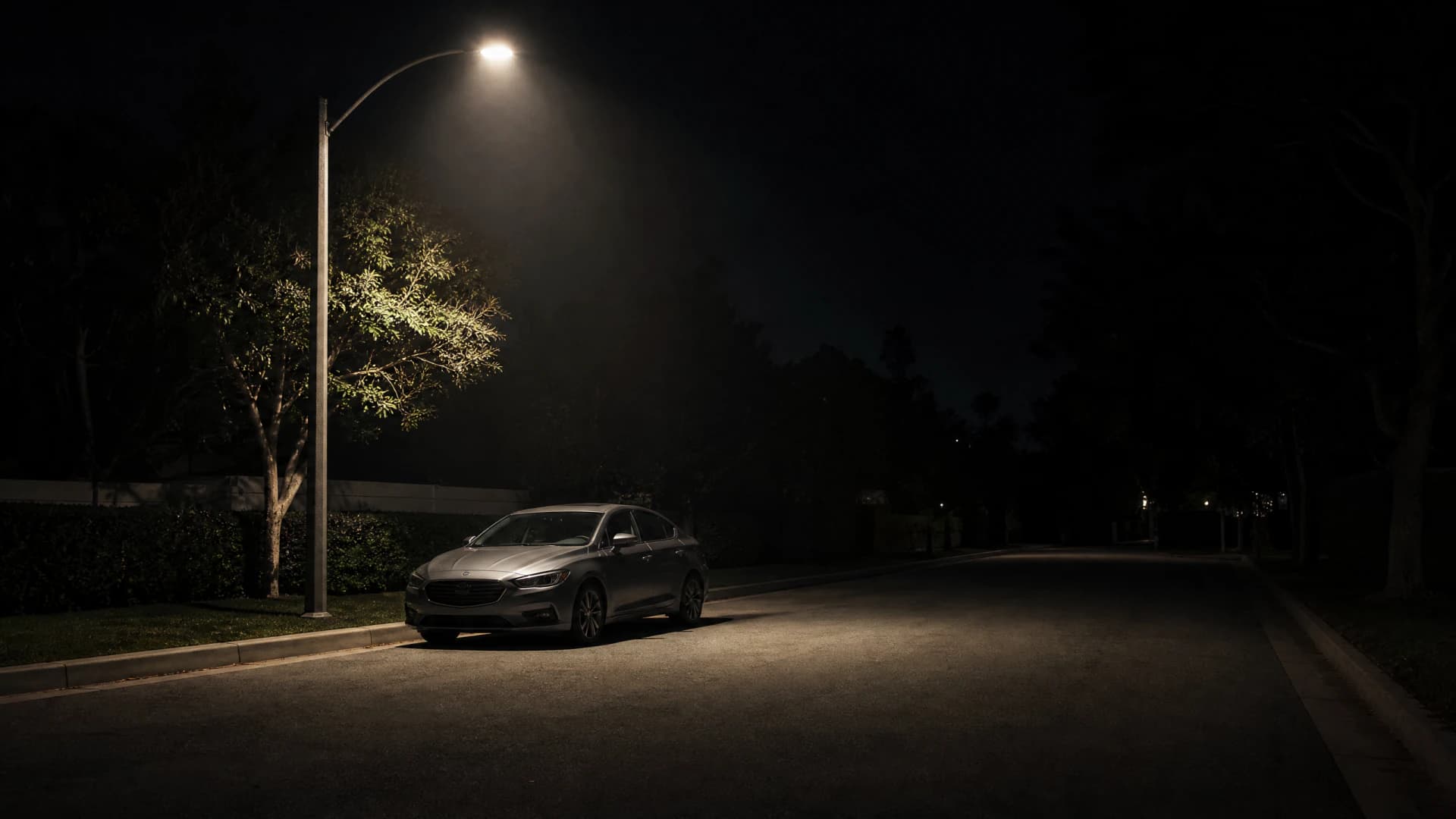
If you live at an address where any vehicle is garaged—even if you're not the owner—non-owner SR-22 won't cover you for that car. Carriers treat household access as owner-policy territory.




What Non-Owner SR-22 Actually Covers in Ohio
Non-owner SR-22 provides state minimum liability coverage ($25,000 bodily injury per person, $50,000 per accident, $25,000 property damage) when you drive a car you don't own and don't have regular access to. The policy pays third-party claims if you cause an accident in a borrowed or rented vehicle. It does not cover damage to the car you're driving—that's the owner's responsibility under their collision coverage or your rental agreement. It does not cover your own injuries—you'd need to add medical payments or rely on health insurance.
The SR-22 certificate itself is not insurance. It's a compliance filing the carrier submits to the Ohio BMV proving you maintain continuous liability coverage. Ohio requires SR-22 for three years following OVI conviction, measured from the conviction date, not the reinstatement date. If your policy lapses for any reason—missed payment, cancellation, non-renewal—the carrier notifies the BMV electronically within 24 hours, and your driving privileges suspend again immediately. You cannot let coverage lapse even one day during the three-year SR-22 period without triggering a new suspension.
Non-owner policies do not satisfy Ohio's SR-22 requirement if you later buy or register a vehicle in your name. The moment you title a car, you must convert to an owner policy and transfer the SR-22 filing to that policy within 30 days. Failure to notify your carrier of vehicle acquisition can void coverage retroactively, leaving you uninsured and triggering a BMV suspension for lapsed SR-22. Most carriers will not allow you to add a vehicle to a non-owner policy—you must cancel the non-owner contract and bind a new owner policy, which creates a brief filing gap unless coordinated carefully with your agent.
3 years
Ohio SR-22 Filing Period After OVI
Ohio Revised Code 4509.45 requires SR-22 filing for three years following OVI conviction. The period begins on the conviction date, not the reinstatement date. Drivers who reinstate early via Limited Driving Privileges still owe the full three-year filing period from conviction.
Ohio Revised Code 4509.45

When You Should Pay for Owner SR-22 Instead
If you have regular access to a household vehicle—your spouse's car, your parent's truck, your roommate's sedan—buying owner SR-22 on that vehicle costs more upfront but eliminates the coverage gap that non-owner policies create. Ohio owner SR-22 policies with state minimum liability run $85–$160/month depending on the vehicle, your violation history, and whether the titled owner agrees to list you as a driver. That's $40–$65/month more than non-owner, but it covers the car you're actually driving.
The alternative—staying on a non-owner policy while driving a household vehicle—leaves you uninsured for that exposure. If you cause an accident in your roommate's car while covered under a non-owner policy, the carrier will deny the claim based on the household vehicle exclusion, your roommate's owner policy may deny because you're an excluded driver, and you'll face personal liability for the full third-party damages plus a new suspension for driving uninsured. The $500/year you saved on the non-owner premium becomes a $50,000 judgment and a multi-year license revocation.
Compare Rates and Bind Coverage Now
Non-owner SR-22 works only if you genuinely have no household vehicle access and need incidental-use liability coverage to satisfy Ohio's three-year filing requirement. If that describes your situation, compare quotes from Dairyland, The General, Progressive, GAINSCO, and Bristol West. Rates vary $20–$40/month between carriers for identical coverage, and county-level underwriting creates price swings that don't appear in statewide averages. Get quotes from at least three carriers, verify the household vehicle exclusion in the policy declarations before binding, and confirm the carrier will file SR-22 electronically with the Ohio BMV within 24 hours of payment. If you have regular access to any vehicle at your address, budget for owner SR-22 instead—the coverage gap non-owner policies create isn't worth the premium savings.
Which Carriers Write Non-Owner SR-22 in Ohio
Dairyland writes non-owner SR-22 statewide and typically quotes $50–$85/month for first-time OVI filers with no prior lapses. They allow online quotes and file SR-22 electronically with the Ohio BMV within 24 hours of binding. Dairyland's non-owner policies exclude household vehicles explicitly in the policy declarations—read the exclusions page before binding. The General writes non-owner SR-22 and quotes $55–$95/month depending on county. They require phone underwriting for non-owner policies (no online bind) but will issue same-day SR-22 filing once payment clears. The General allows month-to-month payment without annual commitment, which matters if you're reinstating mid-suspension and expect to buy a car soon.
Progressive writes non-owner SR-22 in Ohio at $60–$100/month and offers the cleanest online quoting experience of the three. Their household vehicle exclusion is strict—if any vehicle is registered at your address or titled to anyone living there, Progressive's underwriting system flags it and may decline the non-owner application outright. GAINSCO writes non-owner SR-22 selectively (not all counties) and quotes $50–$90/month. They allow reinstatement-specific short-term policies (3–6 months) if you're planning to move states or regain owner coverage soon. Bristol West writes non-owner SR-22 but underwrites conservatively—drivers with two or more OVIs or test refusals often get declined. Their rates run $65–$110/month when approved.
Get Your Free Quote
Get My Ohio SR-22 Auto Insurance QuoteFrequently Asked Questions
Does non-owner SR-22 cover me if I borrow my roommate's car?
No. Ohio non-owner policies exclude household vehicles explicitly. If your roommate's car is garaged at your address or you have regular access to it, the non-owner policy won't cover accidents in that vehicle. You need to be listed on your roommate's owner policy or buy your own owner SR-22 policy on that car.
How much does non-owner SR-22 insurance cost in Ohio?
Non-owner SR-22 policies in Ohio typically cost $45–$95 per month ($540–$1,140/year) for drivers with one OVI conviction and no prior lapses. Drivers with multiple OVIs, test refusals, or SR-22 lapse history face $100–$140/month. Rates vary by carrier, county, age, and violation recency.
Can I switch from non-owner SR-22 to owner SR-22 if I buy a car?
Yes, but you must notify your carrier within 30 days of titling a vehicle and bind a new owner policy with SR-22 filing transferred to that policy. Most carriers will not add a vehicle to an existing non-owner policy—you cancel the non-owner contract and start a new owner policy. Coordinate timing with your agent to avoid a filing gap that triggers BMV suspension.
Which carriers write the cheapest non-owner SR-22 in Ohio?
Dairyland, The General, and GAINSCO typically offer the lowest non-owner SR-22 rates in Ohio, ranging $50–$90/month for first-time OVI filers. Progressive and Bristol West quote higher but offer stronger online service. Rates vary by county and violation count—compare at least three carriers before binding.
How long do I need to keep SR-22 filing in Ohio?
Ohio requires SR-22 filing for three years following OVI conviction, measured from the conviction date, not the reinstatement date. If your policy lapses at any point during those three years, the BMV suspends your driving privileges immediately and you must refile SR-22 and pay reinstatement fees again.
What happens if I let my non-owner SR-22 policy lapse?
Your carrier notifies the Ohio BMV electronically within 24 hours of the lapse. The BMV suspends your driving privileges immediately, even if you have Limited Driving Privileges. You must buy a new SR-22 policy, refile with the BMV, and pay reinstatement fees ($40 base fee plus any suspension-specific fees) before driving again.